Earthenware
Videos
Earthenware is glazed or unglazed nonvitreous pottery that has normally been fired below 1,200 °C. Basic earthenware, often called terracotta, absorbs liquids such as water. However, earthenware can b
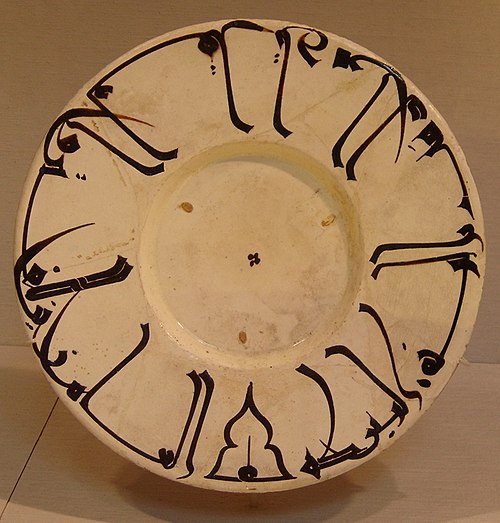
Painted, incised and glazed earthenware. Dated 10th century, Iran. New York Metropolitan Museum of Art

Top section of a water jug or habb. Earthenware. Late 12th-early 13th century Iraq or Syria. Brooklyn Museum

Tea served in a kulhar, which are disposable earthenware teacups in South Asia

Terracotta flower pots with terracotta tiles in the background
Stoneware
Videos
Stoneware is a broad class of pottery fired at a relatively high temperature, to be impervious to water. A modern definition is a vitreous or semi-vitreous ceramic made primarily from stoneware clay o
Earthenware
…such a process is used for the great majority of modern domestic earthenware. The main other important types of pottery are porcelain, bone china, and stoneware, all fired at high enough temperatures to vitrify. End applications include tableware and decorative ware such as figurines. Earthenware comprises "most…

Jian ware tea bowl with "hare's fur" glaze, southern Song dynasty, 12th century, Metropolitan Museum of Art (see below)

Three contemporary stoneware mixing bowls

Telegraph insulator, 1840s–1850

American stoneware jug with Albany slip glaze on the top, c. 1900, Red Wing, Minnesota