Edict of Milan
Videos
The Edict of Milan was the 13 February 313 AD agreement to treat Christians benevolently within the Roman Empire. Western Roman Emperor Constantine I and Emperor Licinius, who controlled the Balkans,
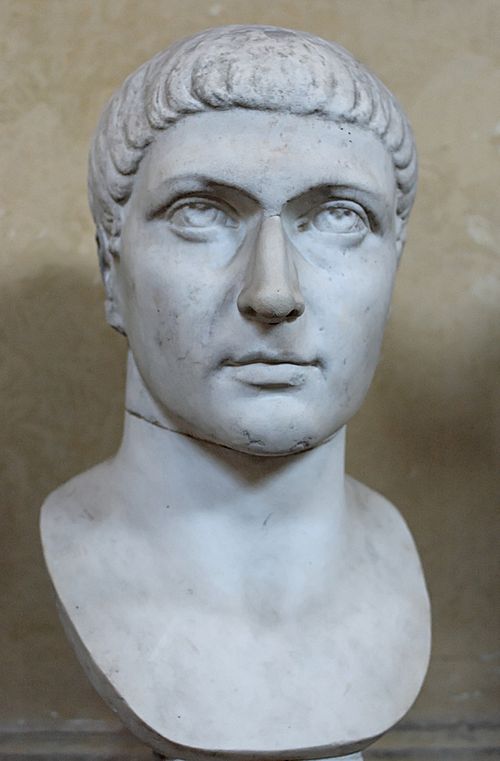
Bust of Emperor Constantine I, Roman, 4th century

Remains of the Imperial palace of Mediolanum (Milan). The imperial palace (built in large part by Maximian, colleague of Diocletian) was a large complex with several buildings, gardens, and courtyards, used for the Emperor's private and public activities, and for his court, family, and imperial bureaucracy.
Licinius
Videos
Valerius Licinianus Licinius was Roman emperor from 308 to 324. For most of his reign, he was the colleague and rival of Constantine I, with whom he co-authored the Edict of Milan that granted officia
Edict of Milan
…Mediolanōn) was the 13 February 313 AD agreement to treat Christians benevolently within the Roman Empire. Western Roman Emperor Constantine I and Emperor Licinius, who controlled the Balkans, met in Mediolanum (modern-day Milan) and, among other things, agreed to change policies towards Christians following the…

Colossal portrait head of Licinius from the theater of Ephesus. Now in the Kunsthistorisches Museum, Vienna

Follis minted at Londinium, c. 311. Legend: imp licinius p f aug.

Triumph of Licinius on a cameo in the BnF Museum.

Solidus minted at Trier, c. 310–313. Obverse legend: licini-us p f aug.