Egyptian faience
Videos
Egyptian faience is a sintered-quartz ceramic material from Ancient Egypt. The sintering process covered the material with a true vitreous coating as the quartz underwent vitrification, creating a bri
Egyptian faience ushabti of Lady Sati. New Kingdom, Dynasty XVIII, reign of Amenhotep III, c. 1390–1352 BC. Possibly from Saqqara.


Tile frieze with lotus and grapes

Faience vessel with procession of four bulls, c. 775–653 BCE Brooklyn Museum

Group of 16 amulets strung as a necklace, in the typical bright faience blue, Late Period
Egyptian blue
Videos
Egyptian blue, also known as calcium copper silicate, calcium copper tetrasilicate, or cuprorivaite, is a pigment with the chemical formula CaCuSi4O10 that was used in ancient Egypt for thousands of y
Egyptian faience
…and modern archeological terms for it include sintered quartz, glazed frit, and glazed composition. Tjehenet is distinct from the crystalline pigment Egyptian blue, for which it has sometimes incorrectly been used as a synonym. It is not faience in the usual sense of tin-glazed pottery, and is different from the…
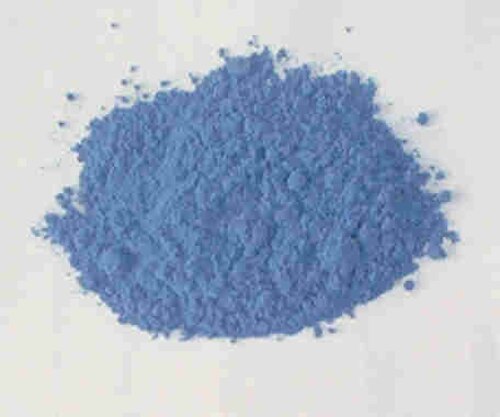
Egyptian blue

Pyxis made out of "Egyptian blue" faience: Imported to Italy from northern Syria, it was produced 750–700 BC. (Shown at Altes Museum in Berlin)

Blue faience saucer and stand, New Kingdom (1400–1325 BC)