Emperor Ōjin
Videos
Emperor Ōjin, also known as Hondawake no Mikoto or Homuta no Sumeramikoto, was the 15th Emperor of Japan, according to the traditional order of succession. Both the Kojiki and the Nihon Shoki record e
Painting depicting Emperor Ōjin and his attendant Takenouchi no Sukune, Edo period.


Memorial Shinto shrine and mausoleum honoring Emperor Ōjin.
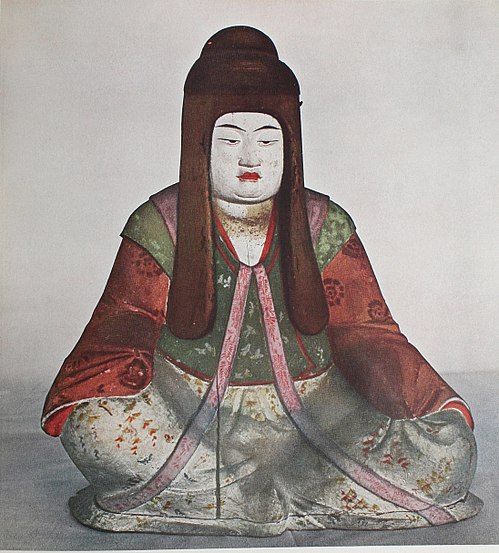
Nakatsuhime Kami Statue
Hachiman
Videos
Hachiman is a syncretic Japanese deity identified as the divine spirit of the semi-legendary Emperor Ōjin.
Emperor Ōjin
…considered to have reigned from 270 to 310. According to the Shinto religion and Buddhism in Japan, Emperor Ōjin is the divine spirit of the deity Hachiman (八幡神). While the location of Ōjin's grave (if any) is unknown, he is traditionally venerated at a memorial Shinto tomb. Modern historians have come to…

The Shinto deity Hachiman (Kamakura period 1326) at Tokyo National Museum (Lent by Akana Hachimangū), Important Cultural Property

Empress Jingū, mother of Emperor Ōjin

Usa Shrine, at Usa in Oita Prefecture dedicated to Hachiman, founder and patron deity of this city

The Buddhist Sogyō Hachiman depicted in the attire of a Buddhist monk, syncretised from the Shinto deity Hachiman