Establishment Clause
Videos
In American law, the Establishment Clause of the First Amendment to the United States Constitution, together with that Amendment's Free Exercise Clause, form the constitutional right of freedom of rel
Earl Warren was Chief Justice when Engel v. Vitale was decided.

The separation of church and state or separation of religion and state is a philosophical and jurisprudential concept for defining political distance in the relationship between religious organization
Establishment Clause
…quotation cited in Black's opinion is from a letter Jefferson wrote in 1802 to the Baptists of Danbury, Connecticut, that there should be "a wall of separation between church and state." Critics of Black's reasoning (most notably, former Chief Justice William H. Rehnquist) have argued that the majority of states did have "official…

John Locke, English political philosopher, argued for individual conscience, free from state control.
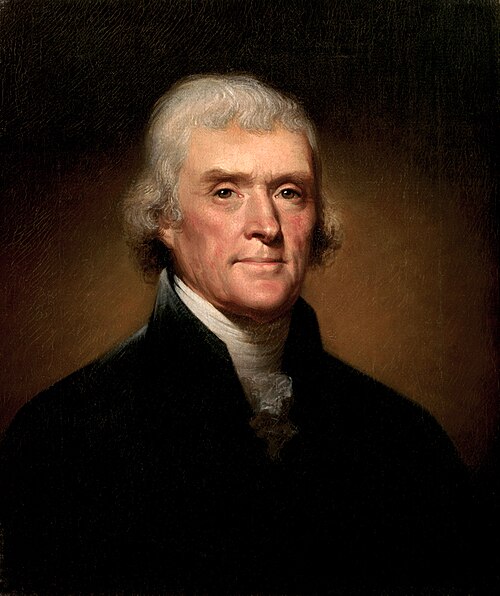
Thomas Jefferson, the third President of the United States, whose letter to the Danbury Baptists Association is often quoted in debates regarding the separation of church and state

H. B. Higgins, proponent of Section 116 in the Australian pre-Federation constitutional conventions

Rui Barbosa had a large influence upon the text adopted as the 1891 Constitution of Brazil.