Fasting in Buddhism
Videos
In Buddhism, there are a variety of attitudes towards different forms of fasting. The Buddha is known to have practiced extreme forms of fasting which led to his emaciation and to have famously abando
Depiction of the Buddha during his period of extreme fasting, Wat Benchamabophit Dusitvanaram, Bangkok, Thailand


Statue of Konryū Daishi Sōō (831–918), the creator of the ascetic practice called kaihōgyō ("circling the mountain") which concludes with a period of fasting.
Dhyana in Buddhism
Videos
In the oldest texts of Buddhism, dhyāna or jhāna is a component of the training of the mind, commonly translated as meditation, to withdraw the mind from the automatic responses to sense-impressions a

Buddha depicted in dhyāna, Amaravati, India

Buddha in Dhyana, which in this context means: The meditative training stage on the path to Samadhi.

Bodhisattva seated in meditation. Afghanistan, 2nd century CE.
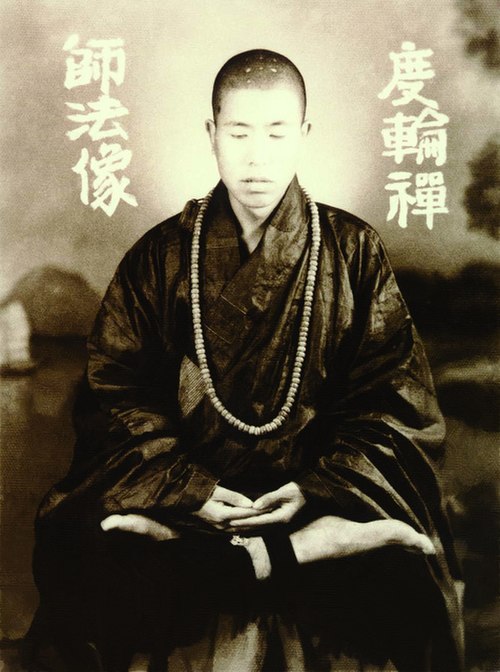
Venerable Hsuan Hua meditating in the Lotus Position. Hong Kong, 1953