First English Civil War
Videos
The First English Civil War took place in England and Wales from 1642 to 1646, and forms part of the 1639 to 1653 Wars of the Three Kingdoms. An estimated 15% to 20% of adult males in England and Wale
Charles I of England, c. 1636

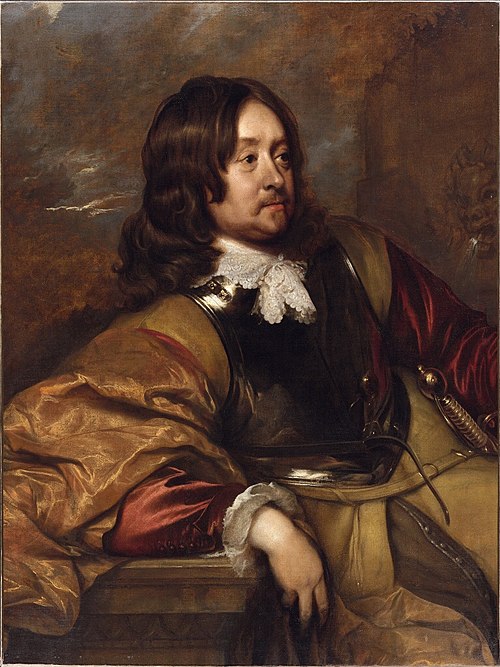
Edward Hyde, later Earl of Clarendon, c. 1643; originally part of the Parliamentary opposition, in 1642 he became Charles' chief advisor
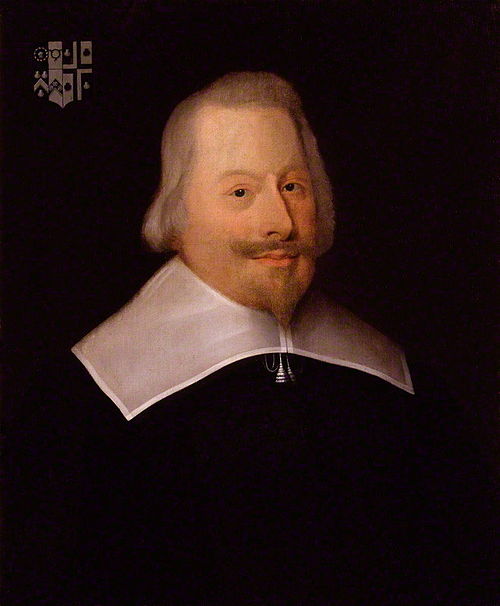
John Pym, who led the opposition to Charles from 1640 until his death in December 1643
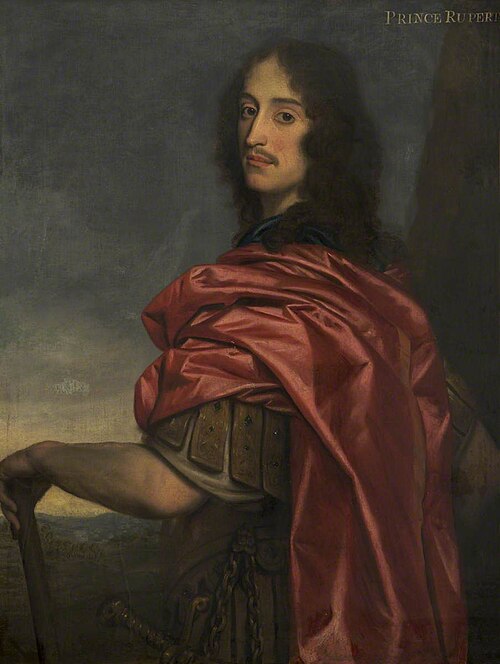
Charles' nephew and most talented general, Prince Rupert, popularised during the Victorian era as the archetypal Cavalier
Second English Civil War
Videos
The Second English Civil War took place between February and August 1648 in England and Wales. It forms part of the series of conflicts known collectively as the 1639–1653 Wars of the Three Kingdoms,
First English Civil War
…alliance in June 1646 and Charles in custody. However, his refusal to agree to concessions, combined with divisions among his opponents, led to the Second English Civil War in 1648, followed by his execution in January 1649. The First English Civil War forms part of the 1639 to 1653 Wars of the Three Kingdoms, fought in…

Charles I at his trial; defeat led to his execution in January 1649

Denzil Holles, a leader of the Presbyterian faction in Parliament

Carisbrooke Castle, on the Isle of Wight, where Charles was held in December 1648

Pontefract Castle in 1648, with civil war fortifications surrounding the old medieval ones.