Forensic science
Videos
Forensic science, often known as criminalistics, is the application of science principles and methods to support decision-making related to rules or law, generally criminal and civil law.
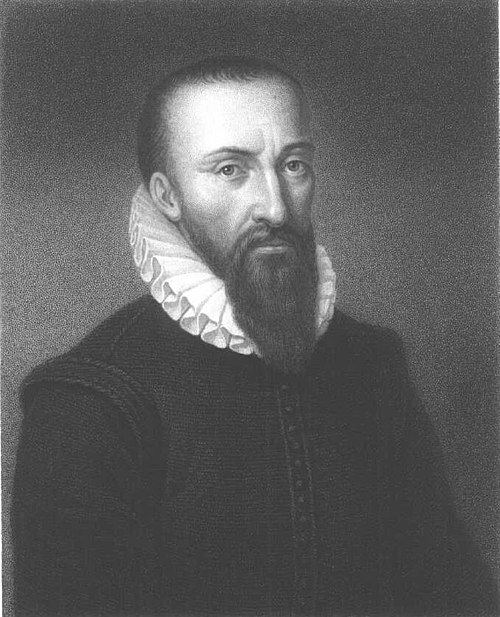
Ambroise Paré's surgical work laid the groundwork for the development of forensic techniques in the following centuries.

This is an example and explanation of extractor/ejector marks on casings.
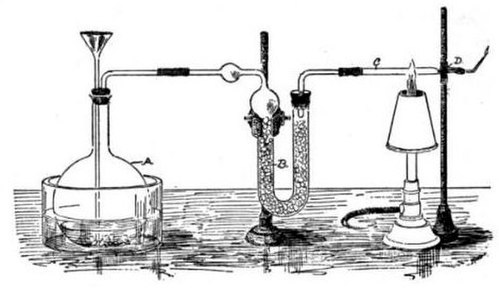
Apparatus for the arsenic test, devised by James Marsh

Fingerprints taken by William Herschel 1859/60
Criminal investigation
Videos
Criminal investigation is an applied science that involves the study of facts that are then used to inform criminal trials. A complete criminal investigation can include searching, interviews, interro
Forensic science
…is the application of science principles and methods to support decision-making related to rules or law, generally criminal and civil law. During criminal investigation in particular, it is governed by the legal standards of admissible evidence and criminal procedure. It is a broad field utilizing numerous practices…

A U.S. Army Criminal Investigation Command special agent processes a crime scene on an Army installation.

Al Asad Air Base, Iraq: An Iraqi Police officer in the Basic Criminal Investigation Course here lays down numbered tabs on a mock crime scene to mark evidence during the class' final exercise.

Zodiac Killer facial composite sketch, 1969, San Francisco Police Department

Criminal investigation at the Lake Bodom murder scene on June 6, 1960, which is still an unsolved homicide case. Deputy Judge Arvi Vainio (center) leads the investigation.