German mediatisation
Videos
The German mediatisation was the major redistribution and reshaping of territorial holdings that took place between 1802 and 1814 in Germany by means of the subsumption and secularisation of a large n
The prince-bishoprics on the eve of secularisation
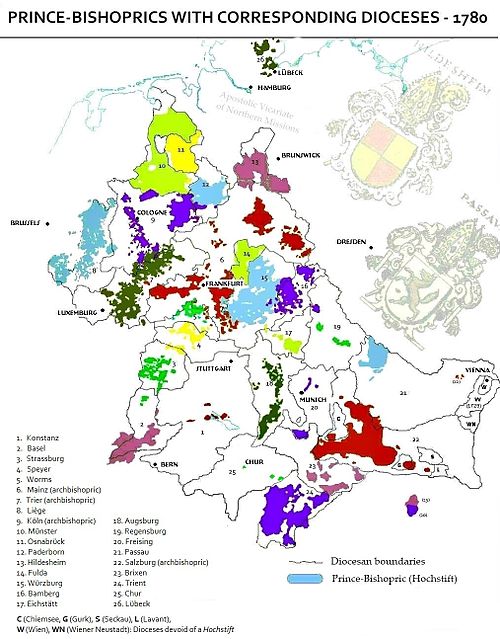

The Rhineland in 1789, with the ecclesiastical states shown in purple: The annexation of the left bank of the Rhine by the French Republic set in motion the mediatisation process

Contemporary engraving celebrating the Treaty of Lunéville

Prussia's territorial losses and gains during the period
Free imperial city
Videos
In the Holy Roman Empire, the collective term free and imperial cities, briefly worded free imperial city, was used from the 15th century to denote a self-ruling city that had a certain amount of auto
German mediatisation
…1814 in Germany by means of the subsumption and secularisation of a large number of Imperial Estates. Nearly all the ecclesiastical principalities and free imperial cities, as well as most minor secular principalities and other self-ruling entities of the Holy Roman Empire lost their independent status and were absorbed…
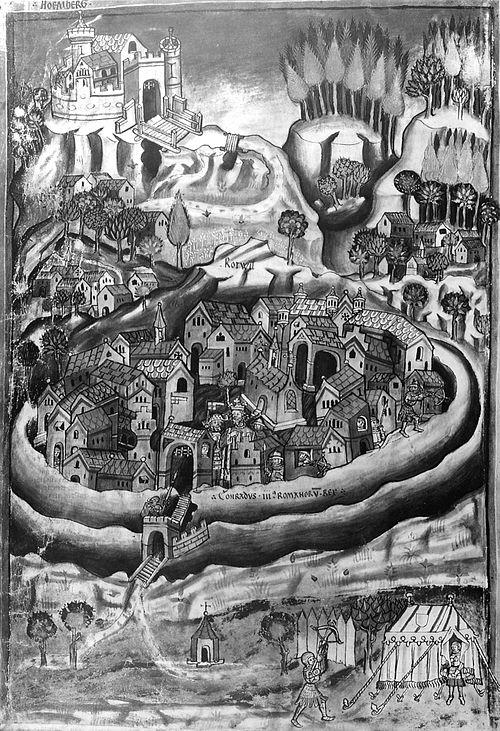
The Swabian city of Rottweil maintained its independence up to the mediatisation of 1802–03. (Rottweil, c. 1435).
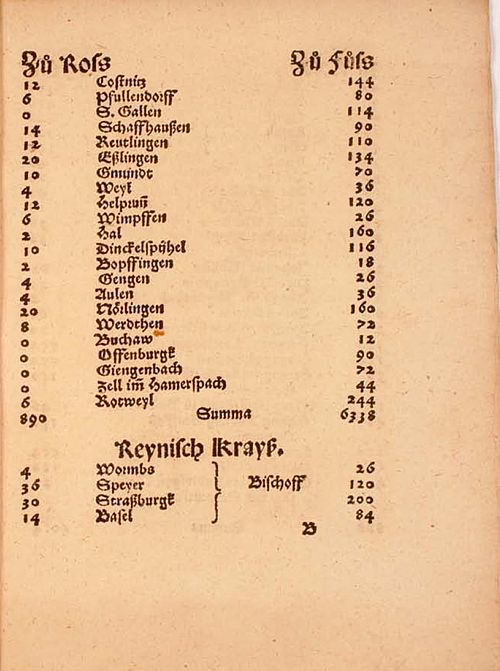
A partial list of the Free Imperial Cities of Swabia based on the Reichsmatrikel of 1521. It indicates the number of horsemen (left hand column) and infantry (right hand column) which each Imperial Estate had to contribute to the defence of the Empire.

Weißenburg im Nordgau in 1725
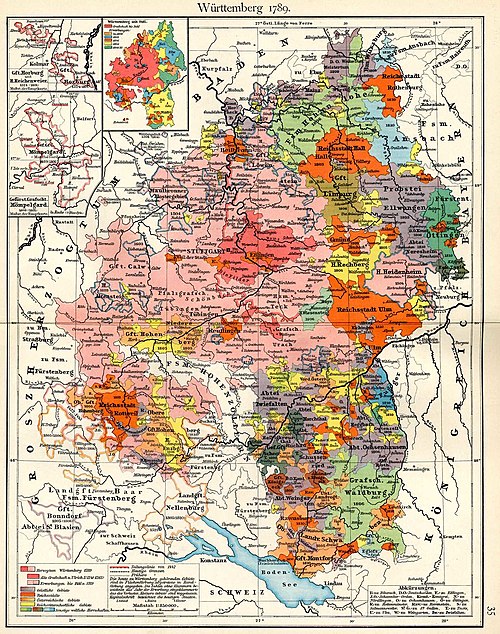
Württemberg more than doubled its size when it absorbed some 15 Imperial Cities (in orange) and other territories during the mediatisations of 1803 and 1806.