Ghawazi
Videos
Ghawazi are female dancers who danced in return for money in public settings, and the streets and most of them originally came from Upper Egypt. There were male dancers as well, including men who perf
Group of Ghawazi dancers (c. 1880)


Postcard photograph of two dancing girls posing in a dance costume with the name of "Egyptian types and scenes" (c. 1900).

A khawal slave (dancing boy) from Upper Egypt dressed in a female dancing costume (c. 1870).
Upper Egypt
Videos
Upper Egypt is the southern portion of Egypt and is composed of the Nile River valley south of the delta and the 30th parallel North. It thus starts at Beni Suef and stretches down to Lake Nasser.
Ghawazi
…ghawazee) (Arabic: الغوازي) are female dancers who danced in return for money in public settings, and the streets and most of them originally came from Upper Egypt. There were male dancers as well, including men who performed movements associated with women and who were pejoratively called khawal. Traditional…
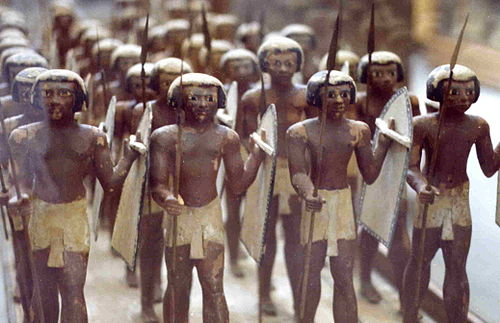
11th Dynasty model of Egyptian soldiers from the tomb of Mesehti, Upper Egypt

11th Dynasty model of Nubian archers from a tomb in Asyut, Upper Egypt

Pair of guardian statuettes, depicting Middle Kingdom pharaohs, presumably Senusret I or Amenemhat II, with the white crown of Upper Egypt (left), the other with the red crown of Lower Egypt. The 12th dynasty had origins in Ta-Seti, Upper Egypt.

Megaliths from Nabta Playa displayed in the Aswan, Upper Egypt