Governorate of Estonia
Videos
The Governorate of Estonia, also known as the Esthonia (Estland) Governorate, was a province (guberniya) and one of the Baltic governorates of the Russian Empire. It was located in the northern Estonia with some islands in the West Estonian archipelago, including Hiiumaa and Vormsi. Previously, the Reval Governorate existed during Peter I's reign and was confirmed by the Treaty of Nystad, which ceded territory from Sweden to the newly established Russian Empire. The Estonia Governorate was established in 1796 when Paul I's reforms abolished the Reval Viceroyalty. The port city of Reval was the administrative centre where the governor had his seat.
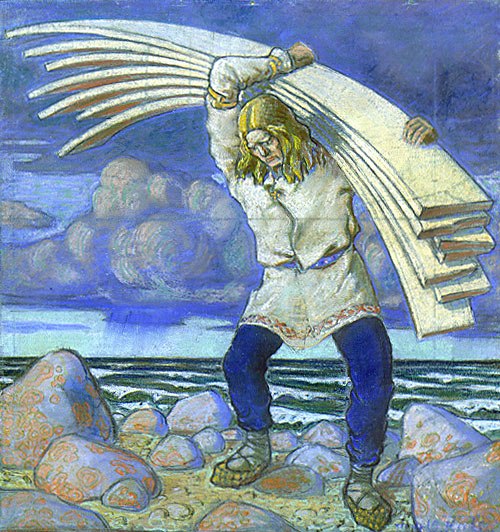

Road to Reval, painted by Oskar Hoffmann in 1900

Built in 1894, the Alexander Nevsky Cathedral in Reval is the symbol of the Orthodox Church in the Governorate
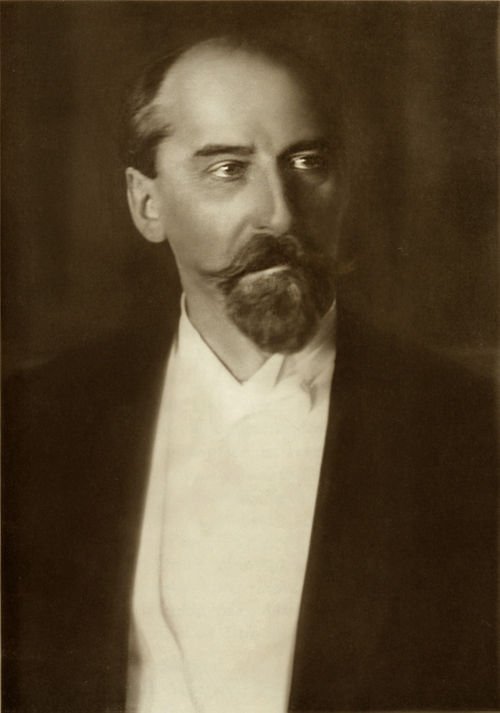
Jaan Tõnisson, founder of the Estonian Progressive People's Party.
Konstantin Päts
Videos
Konstantin Päts was an Estonian statesman and the country's president in 1938–1940. Päts was one of the most influential politicians of the independent democratic Republic of Estonia, and during the two decades prior to World War II he also served five times as the country's prime minister. After the 16–17 June 1940 Soviet invasion and occupation of Estonia, President Päts remained formally in office for over a month, until he was forced to resign, imprisoned by the new Stalinist regime, and deported to the USSR, where he died in 1956.


Päts with his family (from left): brother Nikolai, sister Marianna, father Jakob, brother Voldemar, mother Olga, brother Peeter, and Konstantin Päts (far right).

Ensign officer Konstantin Päts in 1917

Konstantin Päts was one of the authors of the Estonian Declaration of Independence in February 1918.