Gravity
Videos
In physics, gravity, also known as gravitation or a gravitational interaction, is a fundamental interaction, which may be described as the force that draws material objects towards each other.
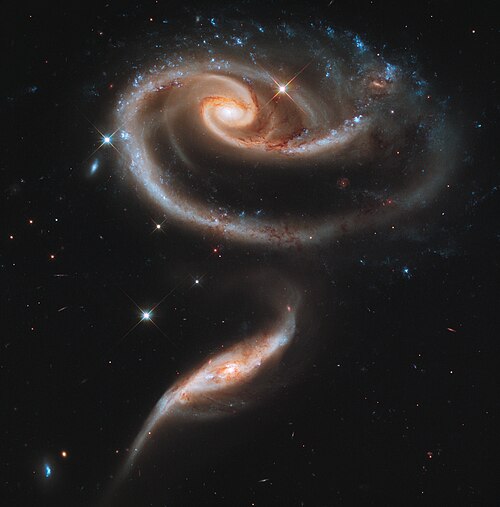
The shapes of two massive galaxies in this image evolved under the effects of gravity.
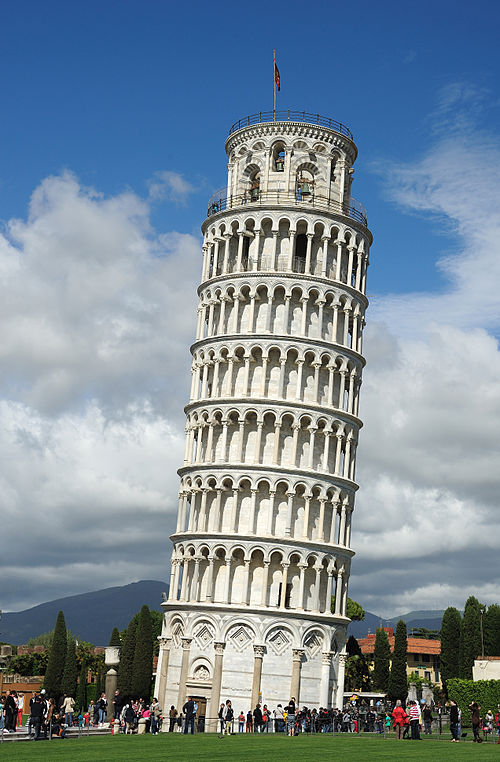
The Leaning Tower of Pisa, where according to legend Galileo performed an experiment about the speed of falling objects

English physicist and mathematician, Sir Isaac Newton (1642–1727)
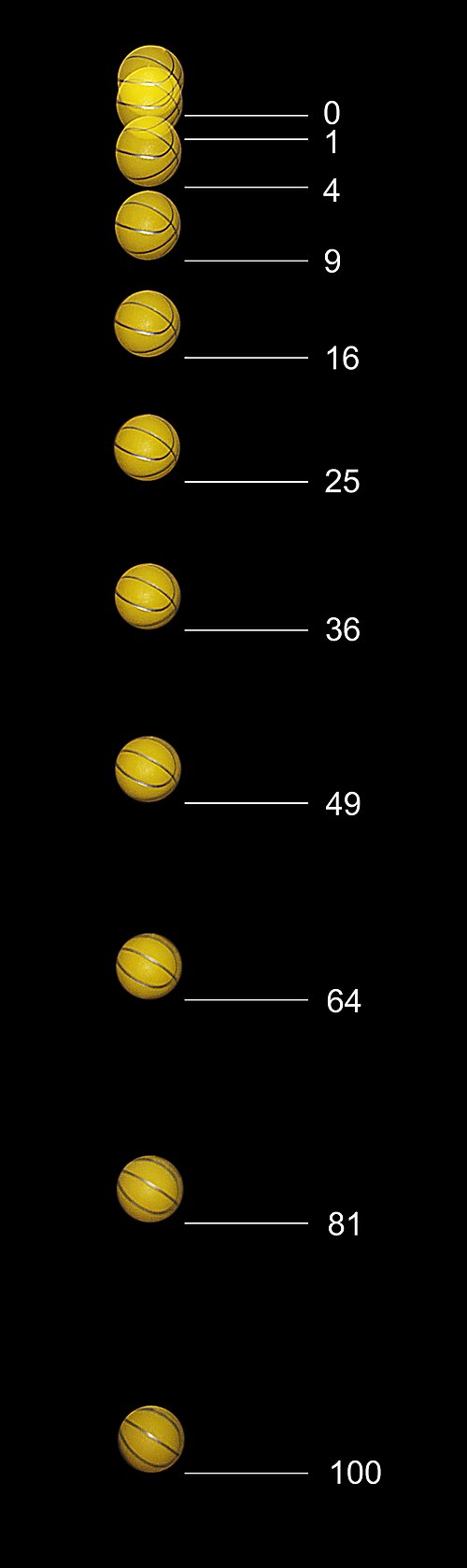
An initially-stationary object that is allowed to fall freely under gravity drops a distance that is proportional to the square of the elapsed time. This image spans half a second and was captured at 20 flashes per second.
Force
Videos
In physics, a force is an action that can cause an object to change its velocity or its shape, or to resist other forces, or to cause changes of pressure in a fluid. In mechanics, force makes ideas li
Gravity
…from Latin gravitas 'weight'), also known as gravitation or a gravitational interaction, is a fundamental interaction, which may be described as the force that draws material objects towards each other. The gravitational attraction between clouds of primordial hydrogen and clumps of dark matter in the…
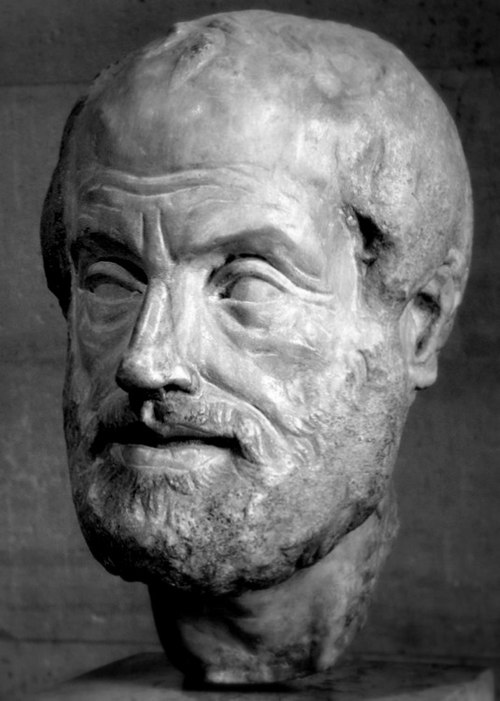
Aristotle famously described a force as anything that causes an object to undergo "unnatural motion"

Sir Isaac Newton in 1689. His Principia presented his three laws of motion in geometrical language, whereas modern physics uses differential calculus and vectors.

Galileo Galilei was the first to point out the inherent contradictions contained in Aristotle's description of forces.