Guru Granth Sahib
Videos
The Guru Granth Sahib is the central holy religious scripture of Sikhism, regarded by Sikhs as the final, sovereign and eternal Guru following the lineage of the ten human gurus of the religion.
Illuminated Guru Granth Sahib folio with nisan (Mul Mantar) in the penmanship of Guru Gobind Singh
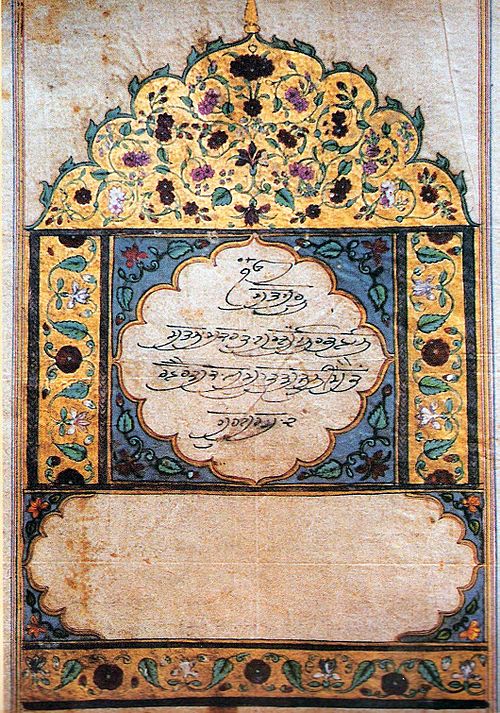

Folio from the Jalandhar recension of the Goindwal Pothi, dated to the late 16th century
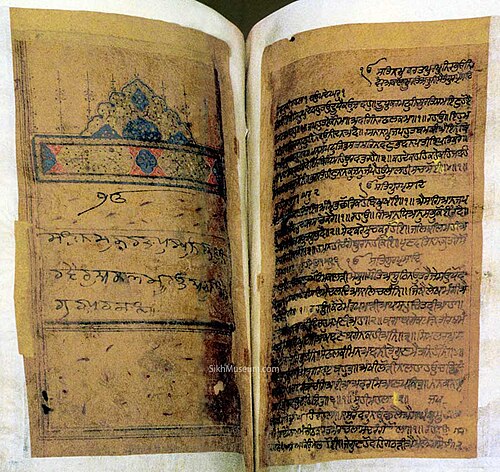
Photograph of the Kartarpur Bir kept at Kartarpur. This is the manuscript that was said to have been completed by Guru Arjan and his scribe, Bhai Gurdas, in 1604 and installed in the Golden Temple

A folio from an early 19th-century manuscript copy of the Guru Granth Sahib (Schoyen Collection Norway)
Sikhism
Videos
Sikhism, also known as Sikhi, is an Indian religion and philosophy that originated in the Punjab region of the Indian subcontinent around the end of the 15th century CE. It is one of the most recently
Guru Granth Sahib
…The Guru Granth Sahib (Punjabi: ਗੁਰੂ ਗ੍ਰੰਥ ਸਾਹਿਬ, pronounced ) is the central holy religious scripture of Sikhism, regarded by Sikhs as the final, sovereign and eternal Guru following the lineage of the ten human gurus of the religion. The Adi Granth (Punjabi: ਆਦਿ…

Golden Temple in Amritsar, Punjab, India. It is the spiritual capital of Sikhism.

Tarn Taran Sahib – The World's Largest Sarovar (sacred pool)

A sketch made in 1844 by Emily Eden of the "Akalees or Immortals". Digitised by the Panjab Digital Library.

A Nihang Sikh at the Harmandir Sahib, also called the Golden Temple