History of China
Videos
The history of China spans several millennia across a wide geographical area. Chinese civilization originated in the Yellow and Yangtze river basins, evolving into one of the world's oldest cradles of

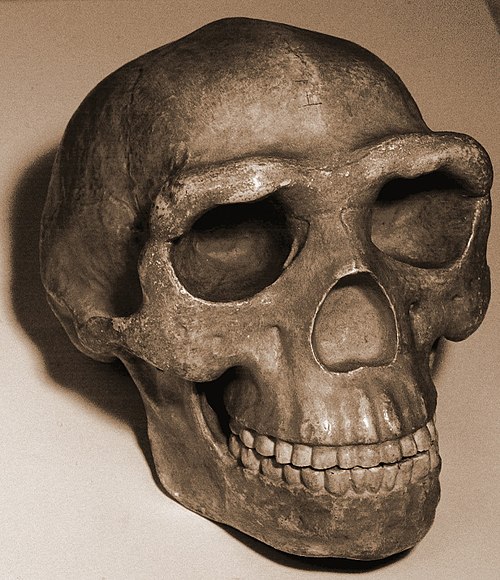
Traditional reconstruction of the Peking Man skull
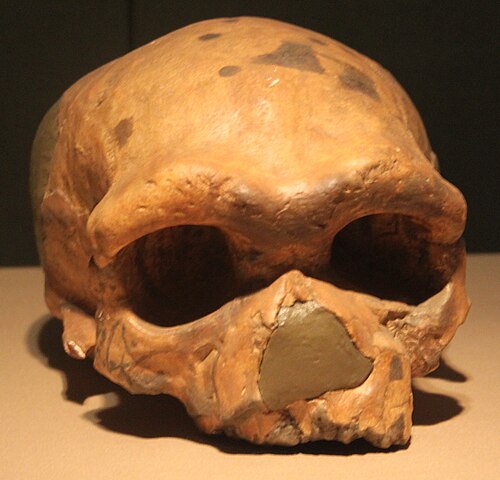
Restoration of the skull Shaanxi History Museum

LL-1 partials skull

10,000-year-old pottery, Xianren Cave culture (18,000–7000 BC)
Shang dynasty
Videos
The Shang dynasty, also known as the Yin dynasty, was a Chinese royal dynasty that ruled in the Yellow River valley during the 2nd millennium BC, traditionally succeeding the Xia dynasty and followed
History of China
…civilization. Traditional historiography views this past through the lens of the dynastic cycle. The earliest confirmed historical period begins with the Shang dynasty (c. 1250 BC), which left the oldest surviving oracle bone inscriptions. It was followed by the Zhou dynasty (c. 1046 – 256 BC), an era that introduced…

Shang nephrite statuette depicting a standing dignitary, dating between the 12th and 11th centuries BC, housed at the Arthur M. Sackler Museum at Harvard University

Jade deer dating to the Shang dynasty, in the collection of the Shanghai Museum

Shang jade human figure, tomb of Fu Hao (died c. 1200 BC). Probably derived from a design of the Seima-Turbino culture.

A pit at Yinxu containing oracle bones ceremonially buried after divination