History of graphic design
Graphic design is the practice of combining text with images and concepts, most often for advertisements, publications, or websites. The history of graphic design is frequently traced from the onset of moveable-type printing in the 15th century, yet earlier developments and technologies related to writing and printing can be considered as parts of the longer history of communication.
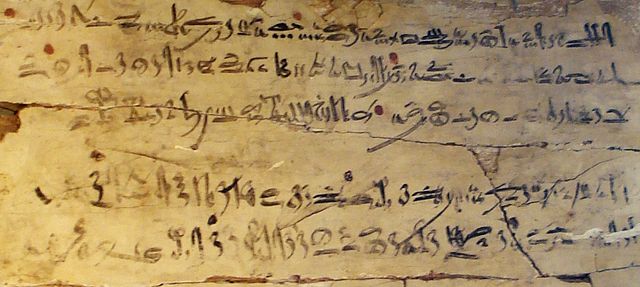
Scribe's exercise tablet with hieratic text on wood, related to Dynasty XVIII, reign of Amenhotep I, c. 1514-1493 BC. Text is an excerpt from The Instructions of Amenemhat II (Dynasty XII), and reads: "Be on your guard against all who are subordinate to you ... Trust no brother, know no friend, make no intimates."
A Chinese traditional title epilogue written by Wen Zhengming in Ni Zan's portrait by Qiu Ying (1470–1559).
The Papyrus of Ani is a version of the Book of the Dead for the Scribe Ani. This vignette (the small scene that illustrates the text) is about not letting Ani's heart create opposition against him in God's domain.
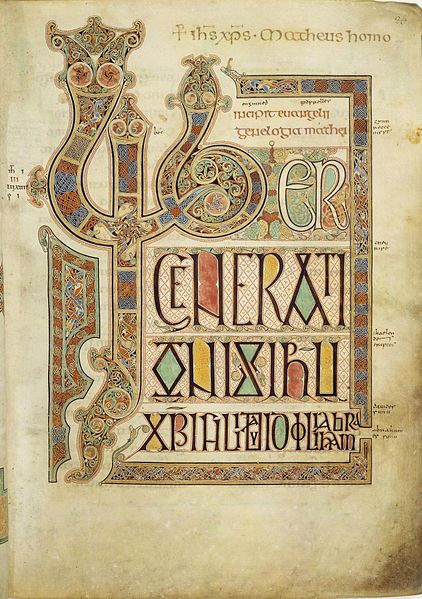
A page from Lindisfarne Gospels, c. 710
Lithography is a planographic method of printing originally based on the immiscibility of oil and water. The printing is from a stone or a metal plate with a smooth surface. It was invented in 1796 by the German author and actor Alois Senefelder and was initially used mostly for musical scores and maps. Lithography can be used to print text or images onto paper or other suitable material. A lithograph is something printed by lithography, but this term is only used for fine art prints and some other, mostly older, types of printed matter, not for those made by modern commercial lithography.
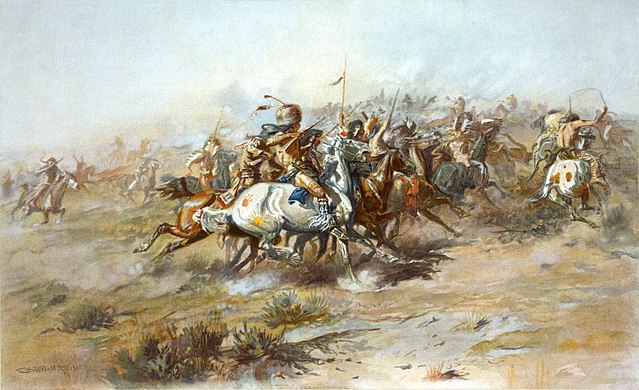
A lithograph of Charles Marion Russell's The Custer Fight (1903), with the range of tones fading toward the edges
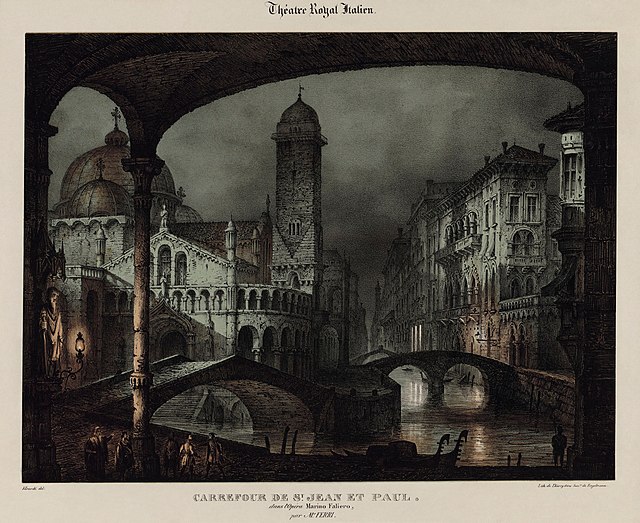
This very early colour lithograph from 1835 uses large washes of orange and cyan with black ink providing the details.
A lithographer at work, 1880
Lithography machine in Bibliotheca Alexandrina