Ho Chi Minh trail
Videos
The Ho Chi Minh Trail, also called Annamite Range Trail was a logistical network of roads and trails that ran from North Vietnam to South Vietnam through the kingdoms of Laos and Cambodia. The system

In the early days of the Ho Chi Minh Trail, bicycles were often used to transport arms and equipment from North to South Vietnam.

Bicycle used by communist forces on the Ho Chi Minh Trail to transport supplies. National Museum of American History, Washington, D.C.

Barrel Roll • Steel Tiger • Tiger Hound areas of operations
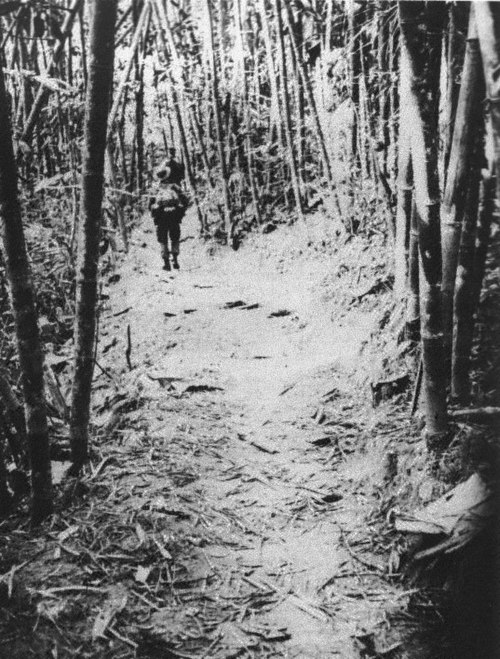
PAVN troops on the trail (photo taken by a U.S. MACV-SOG team)
Vietnam War
Videos
The Vietnam War was an armed conflict in Vietnam, Laos, and Cambodia fought between North Vietnam and South Vietnam and their allies. North Vietnam was supported by the Soviet Union and China, while S
Ho Chi Minh trail
…The system provided support, in the form of manpower and materiel, to the Viet Cong (or "VC") and the People's Army of Vietnam (PAVN), during the Vietnam War. Construction for the network began following the North Vietnamese invasion of Laos in July 1959. At the time it was believed to be the main supply…

U.S. Army UH 1H Hueys insert ARVN troops at Khâm Đức, Vietnam, 12 July 1970

Pavnbattle
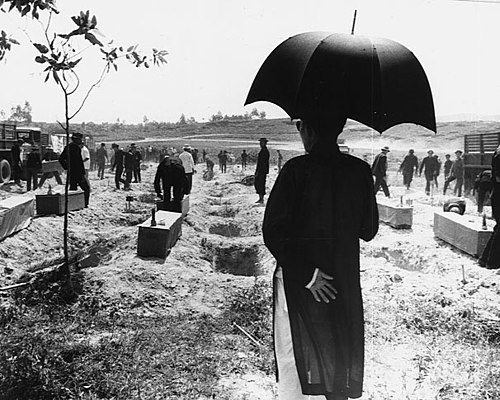
Hue Massacre Interment

Bombing in Vietnam