Hobbit
Videos
Hobbits are a fictional race of people in the novels of J. R. R. Tolkien. About half average human height, Tolkien presented hobbits as a variety of humanity, or close relatives thereof. Occasionally
A Snerg with a bow and arrows. Edward Wyke-Smith's 1927 The Marvellous Land of Snergs is seen by Tolkien scholars as an influence on Tolkien's hobbits.

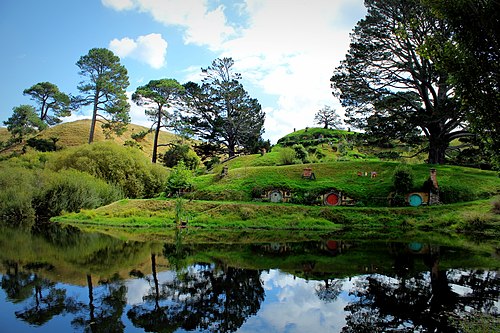
Hobbit holes or smials as depicted in Peter Jackson's The Lord of the Rings film trilogy

Tolkien stated that he liked gardens, trees, and wearing waistcoats, just as hobbits did; he was often photographed with trees.

Tolkien dated the Shire to the time of the Diamond Jubilee of Queen Victoria, 1897, when Exmouth's Jubilee clock was built.
The Hobbit
Videos
The Hobbit, or There and Back Again is a children's fantasy novel by the English author J. R. R. Tolkien. It was published in 1937 to wide critical acclaim, being nominated for the Carnegie Medal and
Hobbit
…naturally tough leathery soles (so they do not need shoes) and are covered on top with curly hair. Hobbits first appeared in the 1937 children's novel The Hobbit, whose titular Hobbit is the protagonist Bilbo Baggins, who is thrown into an unexpected adventure involving a dragon. In its sequel, The Lord of the…

Cover of the 1937 first edition, from a drawing by Tolkien

Swedish and Finnish book covers of The Hobbit illustrated by Tove Jansson

Bilbo's role as burglar places him in the trickster tradition of figures like Prometheus who stole fire from the gods. Painting by Jan Cossiers, 1637
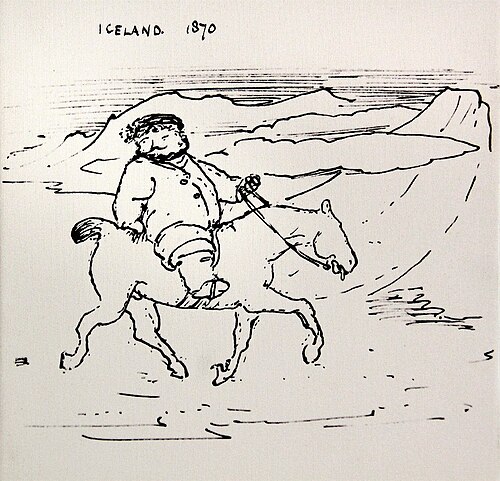
Bilbo's character and adventures match many details of William Morris's expedition in Iceland. 1870 cartoon of Morris riding a pony by his travelling companion Edward Burne-Jones