Hybrid (biology)
Videos
In biology, a hybrid is the offspring resulting from combining the qualities of two organisms of different varieties, subspecies, species or genera through sexual reproduction. Generally, it means tha

A mule is a sterile hybrid of a male donkey and a female horse. Mules are smaller than horses but stronger than donkeys, making them useful as pack animals.

Liger, a lion/tiger hybrid bred in captivity
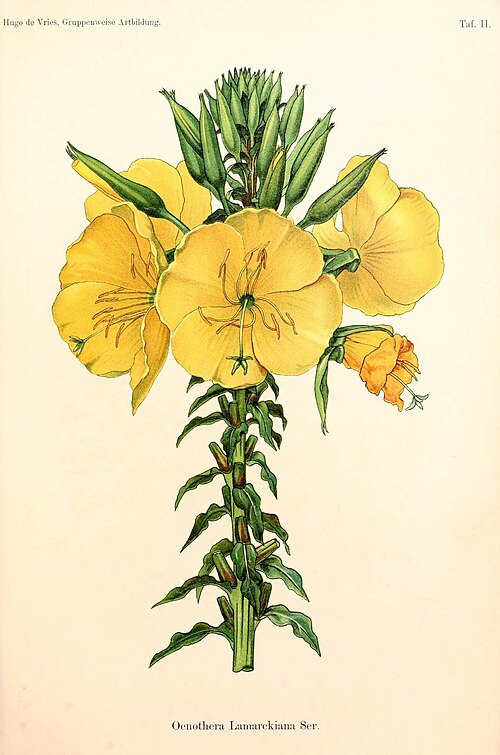
Oenothera lamarckiana is a permanent natural hybrid, studied intensively by the geneticist Hugo de Vries. Illustration by De Vries, 1913.

Hybrid between Lady Amherst's pheasant (Chrysolophus amherstiae) and another species, probably golden pheasant (Chrysolophus pictus)
Polar bear
Videos
The polar bear is a large bear native to the Arctic and nearby areas. It is closely related to the brown bear, and the two species can interbreed. The polar bear is the largest extant species of bear
Hybrid (biology)
…and the hinny, a cross between a female donkey and a male horse. Pairs of complementary types like the mule and hinny are called reciprocal hybrids. Polar bears and brown bears are another case of a hybridizing species pairs, and introgression among non-sister species of bears appears to have shaped the Ursidae…

Polar Bear Alaska

Polar/brown bear hybrid taxidermy specimen on display at Natural History Museum at Tring in Hertfordshire, England

Polar bear skeleton

Bear skull