Species
Videos
A species is the basic unit of classification and a taxonomic rank of an organism, as well as a unit of biodiversity. It can be defined as the largest group of organisms in which any two individuals o
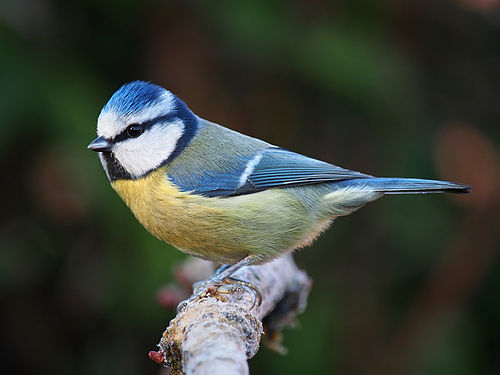
All adult Eurasian blue tits share the same coloration, unmistakably identifying the morphospecies.

Ernst Mayr proposed the widely used Biological Species Concept of reproductive isolation in 1942.

Palaeontologists are limited to morphological evidence when deciding whether fossil life-forms like these Inoceramus bivalves formed a separate species.

Blackberries belong to any of hundreds of microspecies of the Rubus fruticosus species aggregate.
Genus
Videos
Genus is a taxonomic rank above species and below family as used in the biological classification of living and fossil organisms as well as viruses. In binomial nomenclature, the genus name forms the
Species
…8 and 8.7 million. About 14% of these had been described by 2011. All species are given a two-part binomial name. The first part is the name of the genus to which the species belongs. The second part is called the specific name or the specific epithet (in botanical nomenclature, also sometimes in zoological…

Estimated accepted genus totals by kingdom – based on Rees et al., 2020