Hydropower
Videos
Hydropower, also known as water power or water energy, is the use of falling or fast-running water to produce electricity or to power machines. This is achieved by converting the gravitational potenti

The Three Gorges Dam in China; the hydroelectric dam is the world's largest power station by installed capacity.
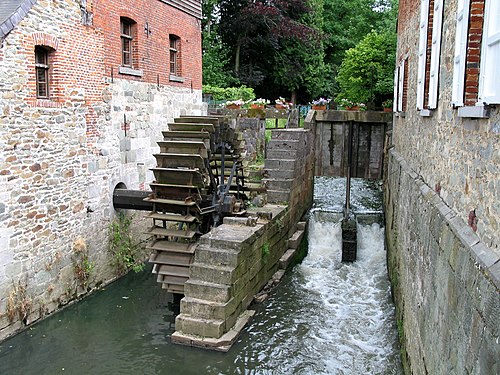
Watermill of Braine-le-Château, Belgium (12th century)

Interior of the Lyme Regis watermill, UK (14th century)

Chief Joseph Dam near Bridgeport, Washington, is a major run-of-the-river station without a sizeable reservoir.
Dam
Videos
A dam is a structure that impounds water or restricts its flow. Dams are classified into four basic types: gravity dams are massive structures made of concrete or masonry that rely on their weight to
Hydropower
…disadvantages of hydropower have been identified. Dam failures can have catastrophic effects, including loss of life, property and pollution of land. Dams and reservoirs can have major negative impacts on river ecosystems such as preventing some animals from traveling upstream, cooling and de-oxygenating…

Misogawa Dam in Japan is an embankment dam.

Grande Dixence Dam in Switzerland is one of the world's tallest gravity dams. The people atop the dam's crest illustrate its size.

About 20 buttresses are visible in this photo of Latyan buttress dam in Iran.

This arch dam in Tasmania is curved in both the vertical and horizontal directions.