Ibsen Museum (Oslo)
Videos
Photos
The Ibsen Museum (Ibsenmuseet) occupies the last home of the playwright Henrik Ibsen. It is located close to the Royal Palace on Henrik Ibsens gate (street) in Oslo, Norway.
The museum is closed; however, regarding the possibility of having the museum open during Summer 2023: the government has been petitioned, to provide financing.

Henrik Ibsen (1828-1906): photograph by Daniel Georg Nyblin

Henrik Ibsen. Photo by Gustav Borgen, Kristiania (Oslo) 1898.

Henrik Ibsens gate seen towards Ibsen Museum on the left and Royal Palace on the right.

The Ibsen Museum at the corner of #1 Arbins gate and #24-26 Henrik Ibsens gate.
Henrik Ibsen
Videos
Photos
Henrik Johan Ibsen was a Norwegian playwright and theatre director. As one of the founders of modernism in theatre, Ibsen is often referred to as "the father of realism" and the most influential playwright of the 19th century, as well of one of the most influential playwrights in Western literature more generally. His major works include Brand, Peer Gynt, Emperor and Galilean, A Doll's House, Ghosts, An Enemy of the People, The Wild Duck, Rosmersholm, Hedda Gabler, The Master Builder, and When We Dead Awaken. Ibsen is the most frequently performed dramatist in the world after Shakespeare, and A Doll's House was the world's most performed play in 2006.

Portrait by Eilif Peterssen, 1895
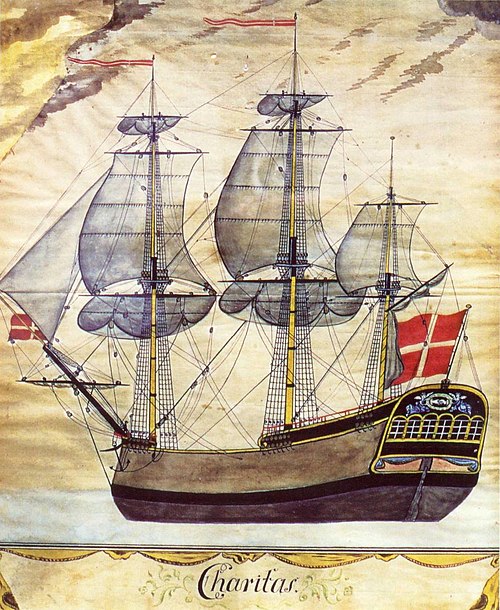
Charitas, the ship captained by Henrik's grandfather of the same name when he died at sea outside Grimstad in 1797. The Dannebrog was the common flag of Denmark–Norway.

The roof and one of the windows of Altenburggården can be seen in the middle of the picture. Altenburggården was Marichen Altenburg's childhood home, and Henrik Ibsen lived there aged 3–8.

Venstøp outside Skien, originally the Ibsen family's summer house, where they lived permanently 1836–1843. It was a reasonably large farm with large, representative buildings.