Indian literature
Videos
Indian literature refers to the literature produced on the Indian subcontinent until 1947 and in the Republic of India thereafter. The Eighth Schedule to the Constitution of India has 22 officially re
Lakshminath Bezbaroa, Assamese poet, novelist and playwright of modern Assamese literature

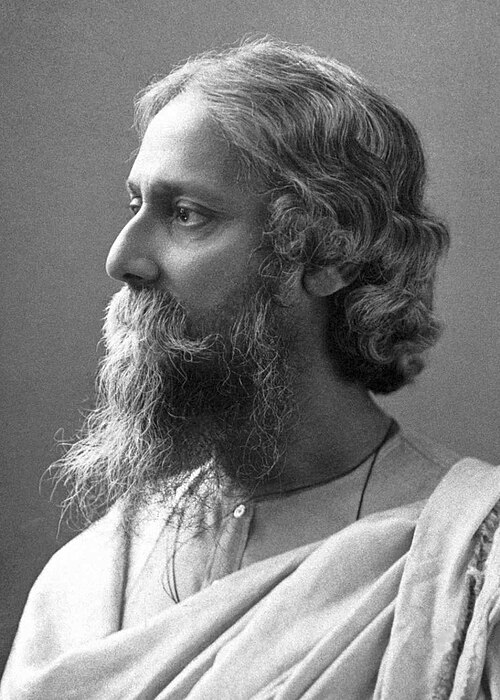
Rabindranath Tagore, the author of many works, including Gitanjali and India's national anthem 'Jana Gana Mana'. He was awarded the Nobel Prize in Literature in 1913 for "his profoundly sensitive, fresh and beautiful verse, by which, with consummate skill, he has made his poetic thought, expressed in his own English words, a part of the literature of the West." He was the first person of non-European lineage to win a Nobel Prize.

Bankim Chandra Chatterjee, the author of India's National Song 'Vande Mataram'.

Suresh Joshi is known as father of modern Gujarati literature.
Indian epic poetry
Videos
Indian epic poetry is the epic poetry written in the Indian subcontinent, traditionally called Kavya. The Ramayana and the Mahabharata, which were originally composed in Sanskrit and later translated
Indian literature
…can be traced back to thousands of years with the flourish of Meitei civilization. Khamba Thoibi Sheireng (Meitei for 'Epic of Khamba Thoibi'), the third longest Indian epic poem, next to the Mahabharata and the Ramayana, is a Meitei epic poem, based on the classic tale of Khamba and Thoibi, having 39,000 lines, is regarded as…

The Capture of the wild Kao (bull) by Khamba

The Dance before the King by Khamba and princess Thoibi

The Torture of Khamba by the Elephant

The Tiger Hunt by Khamba and his rival Nongban Kongyamba