Indo-Gangetic Plain
Videos
The Indo-Gangetic Plain, also known as the North Indian Plain or the Indus-Gangetic Plain, is a fertile plain spanning 700,000 km2 across the northern and north-eastern part of South Asia. It encompas

In a doab, khadar (green) lies next to a river, while bangar (olive) has greater elevation and lies further.

Indus River Delta

Thar Desert

Ganga Plains encompassing the eastern part of the Indo-Gangetic Plain over northern and eastern India.
Ganges
Videos
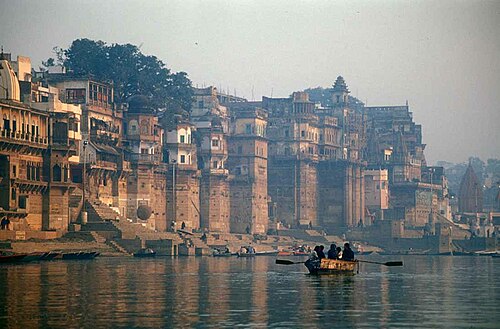
The Ganges is a trans-boundary river of Asia which flows through India and Bangladesh. The 2,525-kilometre-long river rises in the western Himalayas in the Indian state of Uttarakhand. It flows south
Indo-Gangetic Plain
…India, eastern Pakistan, southern Nepal, and almost all of Bangladesh. It is named after the two major river systems that drain the region–Indus and Ganges. It stretches from the Himalayas in the north to the northern edge of the Deccan Plateau in the south, and extends from North East India in the east…
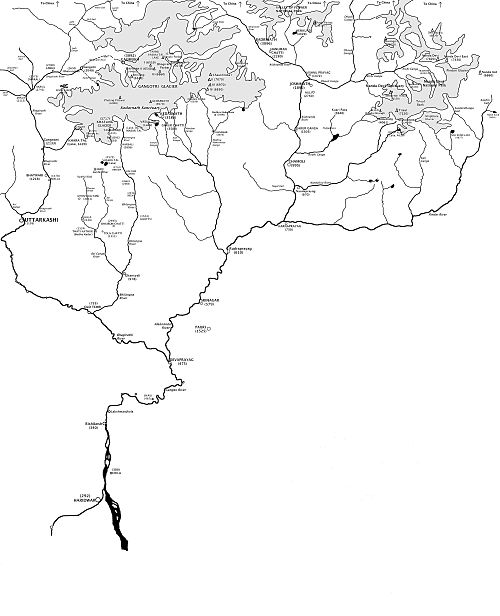
The Himalayan headwaters of the Ganges River in the Garhwal region of Uttarakhand, India.

Bhagirathi River at Gangotri.

Devprayag, confluence of Alaknanda (right) and Bhagirathi (left), and beginning of the Ganges.