Indo-Saracenic architecture
Videos
Indo-Saracenic architecture was a revivalist architectural style mostly used by British architects in India in the late 19th century, especially in public and government buildings under the British Ra
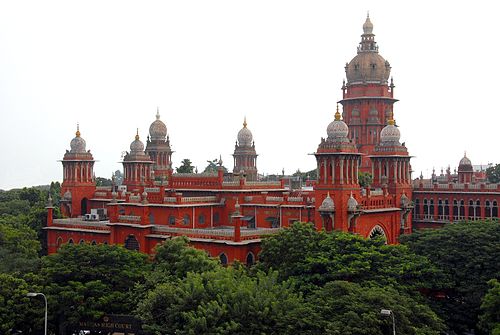
Madras High Court buildings are a prime example of Indo-Saracenic architecture, designed by J. W. Brassington under the guidance of British architect Henry Irwin, 1892.

The Victoria Memorial, Kolkata, has very discreet Indo-Saracenic touches, such as the corner chatris, in the Raj metropolis least touched by the style.

The Chhatrapati Shivaji Maharaj Terminus (previously Victoria Terminus) in Mumbai, 1878–88. A mixture of Romanesque, Gothic and Indian elements.

North Block of the Secretariat Building, New Delhi, designed by Herbert Baker.
Chhatrapati Shivaji Terminus
Videos
Chhatrapati Shivaji Terminus, officially Chhatrapati Shivaji Maharaj Terminus, and also known as Victoria Terminus, its official name until 1996, is a historic railway terminus and UNESCO World Herita
Indo-Saracenic architecture
…Victoria Memorial, Kolkata, has very discreet Indo-Saracenic touches, such as the corner chatris, in the Raj metropolis least touched by the style. The Chhatrapati Shivaji Maharaj Terminus (previously Victoria Terminus) in Mumbai, 1878–88. A mixture of Romanesque, Gothic and Indian elements. North Block of the Secretariat Building, New…

Façade of the Chhatrapati Shivaji Terminus
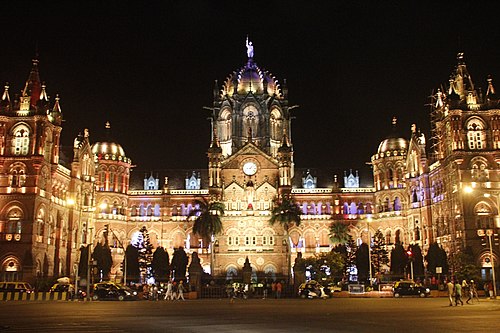
Chatrapati Shivaji Terminus

Cotton bales lying at Bori Bunder, ready for shipment to England, 1862
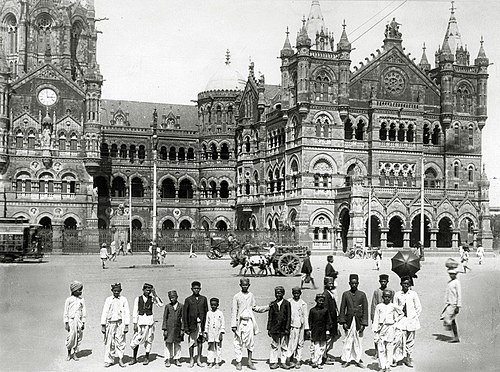
A photo of Victoria Terminus from 1910. Note the seated statue in the canopy under the clock