Integrated pest management
Videos
Integrated pest management, also known as integrated pest control combines both non-chemical and chemical practices for economic control of pests, reducing reliance on chemicals while improving produc

Key components of an Integrated Pest Management (IPM) program

An IPM boll weevil trap in a cotton field (Manning, South Carolina)

Images large ao 4c 06628 0007

Condor landbouwspuit
Biological pest control
Videos
Biological control or biocontrol is a method of controlling pests, whether pest Animals such as insects and mites, weeds, or pathogens affecting animals or plants by using other organisms. It relies o
Integrated pest management
…response to weather and season. However, these are increasingly disrupted by climate change. Natural biological processes and materials can be used as biological control agents (BCAs), with acceptable environmental impact, often at low cost. The main approach is to promote beneficial insects or other predators that eat or…
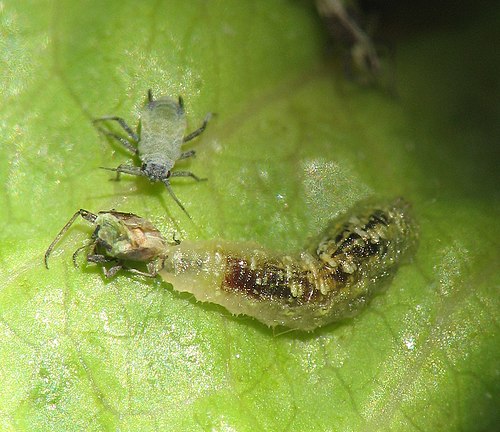
Syrphus hoverfly larva (below) feed on aphids (above), making them natural biological control agents.
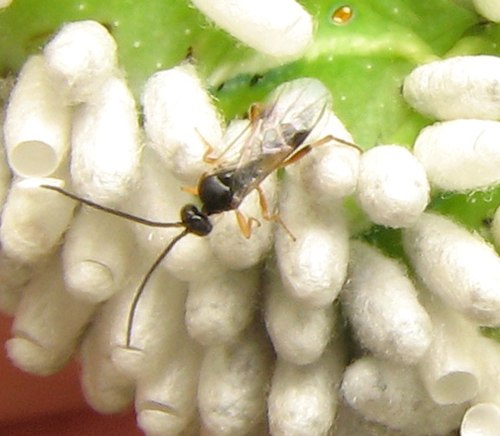
A parasitoid wasp (Cotesia congregata) adult with pupal cocoons on its host, a tobacco hornworm (Manduca sexta, green background), an example of a hymenopteran biological control agent

Cactoblastis cactorum larvae feeding on Opuntia prickly pear cacti

Rodolia cardinalis, the vedalia beetle, was imported from Australia to California in the 19th century, successfully controlling cottony cushion scale on orange trees.