Iron Age
Videos
The Iron Age is the final epoch of the three historical Metal Ages, after the Copper Age and Bronze Age. It has also been considered as the final age of the three-age division starting with prehistory

Weapons and fibulae from a Celtic burial site, c. 350 BC.

Willamette Meteorite, the thirteenth largest in the world, is an iron–nickel meteorite found in the USA.

Copy of The Warrior of Hirschlanden (German: Krieger von Hirschlanden), a statue of a nude ithyphallic warrior made of sandstone, the oldest known Iron Age life-size anthropomorphic statue north of the Alps.

Maiden Castle, Dorset, England. More than 2,000 Iron Age hillforts are known in Britain.
Ancient history
Videos
Ancient history is a time period from the beginning of writing and recorded human history through late antiquity. The span of recorded history is roughly 5,000 years, beginning with the development of
Iron Age
…Iron Age c. 1200 BC – c. 550 BC Bronze Age Ancient history Proto-industrialization Weapons and fibulae from a Celtic burial site, c. 350 BC. Location Worldwide Key events Iron metallurgy Axial Age The Iron Age…

The Standard of Ur (Sumerian)
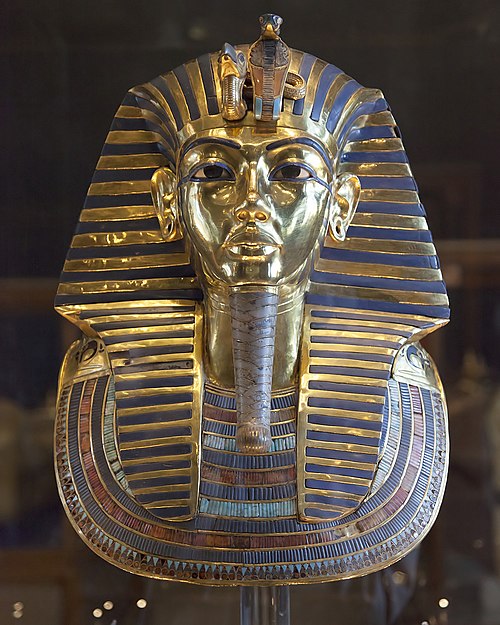
The Mask of Tutankhamun (Egyptian)

The Priest-King (Indus Valley)

The Venus de Milo (Greek)