Iron Curtain
Videos
The Iron Curtain was the political and physical boundary that divided Europe from the end of World War II in 1945 until the end of the Cold War in 1990/1991. East of the Iron Curtain were many small s
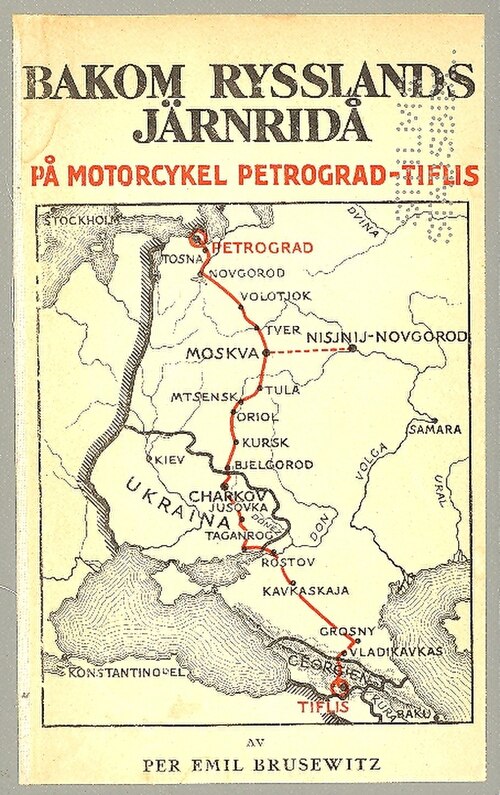
Swedish book "Behind Russia's iron curtain" from 1923

Remains of the "iron curtain" in Devínska Nová Ves, Bratislava (Slovakia)

Preserved part of "iron curtain" in the Czech Republic. A watchtower, dragon's teeth and electric security fence are visible.

Fence along the east–west border in Germany (near Witzenhausen-Heiligenstadt)
Berlin Wall
Videos
The Berlin Wall was a guarded concrete barrier that encircled West Berlin from 1961 to 1989, separating it from East Berlin and the German Democratic Republic. Construction of the Berlin Wall was comm
Iron Curtain
…protests in East Germany and the relaxing of border restrictions in Czechoslovakia, tens of thousands of East Berliners flooded checkpoints along the Berlin Wall, crossing into West Berlin. In the People's Republic of Bulgaria, the day after the mass crossings across the Berlin Wall, leader Todor Zhivkov was…

From the West Berlin side, Berlin Wall graffiti art in 1986. The wall's "death strip", on the east side of the Wall, here follows the curve of the Luisenstadt Canal (filled in 1932).

East German Combat Groups of the Working Class close the border on 13 August 1961 in preparation for the Berlin Wall construction

East German construction workers building the Berlin Wall, 20 November 1961

US President John F. Kennedy visiting the Berlin Wall on 26 June 1963