Irrigation in viticulture
Videos
Irrigation in viticulture is the process of applying extra water in the cultivation of grapevines. It is considered both controversial and essential to wine production. In the physiology of the grapevine, the amount of available water affects photosynthesis and hence growth, as well as the development of grape berries. While climate and humidity play important roles, a typical grape vine needs 25-35 inches of water a year, occurring during the spring and summer months of the growing season, to avoid stress. A vine that does not receive the necessary amount of water will have its growth altered in a number of ways; some effects of water stress are considered desirable by wine grape growers.

A vineyard with a drip irrigation system running along the bottom of the vines

Advances in irrigation have allowed viticulture to flourish in very dry climates, such as parts of Australia, that might not otherwise be able to sustain grapevines.

Water is vital to many of the physiological processes of the grape vine, including photosynthesis.

Sandy soils typically have poor water retention but good drainage. However, if its mixed with significant amounts of clay, such as this soil sample, its water retaining properties will increase while still draining well.
Old World wine
Videos
Old World wine refers primarily to wine made in Europe but can also include other regions of the Mediterranean basin with long histories of winemaking such as North Africa and the Near East. The phrase is often used in contrast to "New World wine" which refers primarily to wines from New World wine regions such as the United States, Australia, South America and South Africa. The term "Old World wine" does not refer to a homogeneous style with "Old World wine regions" like Austria, France, Georgia, Italy, Portugal, and Spain each making vastly different styles of wine even within their own borders. Rather, the term is used to describe general differences in viticulture and winemaking philosophies between the Old World regions where tradition and the role of terroir lead versus the New World where science and the role of the winemaker are more often emphasized. In recent times, the globalization of wine and advent of flying winemakers have lessened the distinction between the two terms with winemakers in one region being able to produce wines that can display the traits of the other region—i.e. an "Old World style" wine being produced in a New World wine region like California or Chile and vice versa.

Old World wines refers to wines that come from regions with a long documented history of wine production
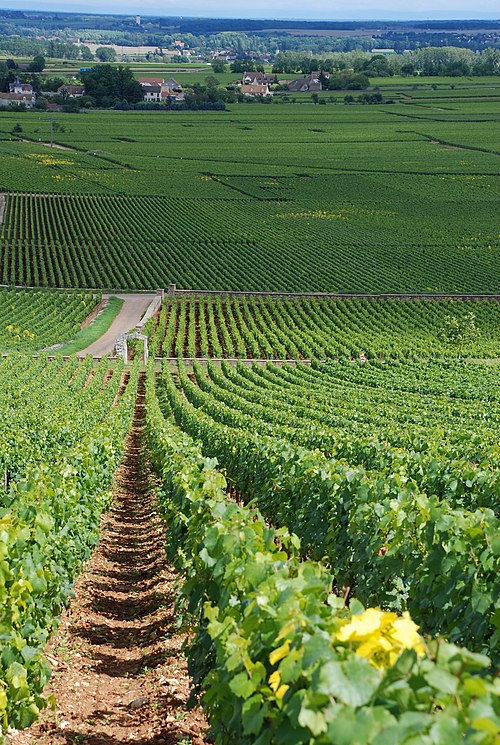
In Old World winemaking, the terroir of a region is of paramount importance with wines from a region, such as Montrachet (pictured), being labeled with the region's name rather than the grape variety (such as Chardonnay).

In Old World wine making, the role of the winemaker is minimized compared to New World wine making.