Israeli–Palestinian conflict
Videos
Israel and the Palestinians are engaged in an ongoing military and political conflict about land and self-determination within the former territory of Mandatory Palestine. Key aspects of the conflict
The 1917 Balfour Declaration from UK Foreign Secretary Arthur Balfour to Walter Rothschild expressing the support of the British government for "the establishment in Palestine of a national home for the Jewish people."


British colonial Palestine Police Force dispersing a crowd in the Jaffa riots, seen as the start of the Arab revolt (1936–1939) in Palestine against British rule and the mass Jewish immigration and rapid expansion of Jewish settlements it allowed.

Haganah ship Jewish State carrying illegal Jewish immigrants from Europe at the Haifa Port, Mandatory Palestine, 1947

Distribution of Palestine land ownership in 1945
Zionism
Videos
Zionism is an ethnic nationalist movement that emerged in late 19th-century Europe to establish and support a Jewish homeland through colonization in the region of Palestine, which roughly corresponds
Israeli–Palestinian conflict
…the West Bank and in the Gaza Strip, Palestinian freedom of movement, and the Palestinian right of return. The conflict has its origins in the rise of Zionism in the late 19th century in Europe, a movement which aimed to establish a Jewish state through colonization in the region of Palestine. The Zionist…

Theodor Herzl was the founder of the modern Zionist movement. In his 1896 pamphlet Der Judenstaat, he envisioned the founding of a future independent Jewish state during the 20th century.
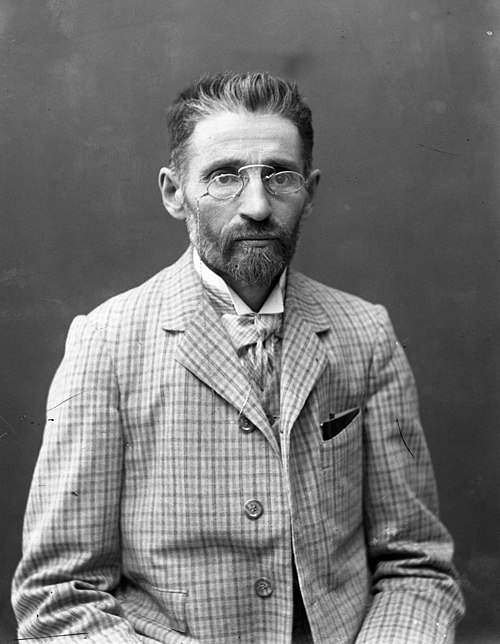
Eliezer Ben-Yehuda (1858–1922), founder and leader of the movement to revive the Hebrew language, is considered the father of Modern Hebrew.

"Memorandum to the Protestant Powers of the North of Europe and America", published in the Colonial Times (Hobart, Tasmania, Australia), in 1841

The first general assembly of the Society for the Support of Jewish Farmers and Artisans in Syria and Palestine, also known as the Odessa Committee, 1890