Italian language in Croatia
Videos
The Italian language is an official minority language in Croatia, with many schools and public announcements published in both languages. Croatia's proximity and cultural connections to Italy have led

The village of Grožnjan/Grisignana is the only municipality in Croatia with a majority Italian speaking population.

A portrait painting the fall of the Republic of Venice (1797): the abdication of the last Doge, Ludovico Manin

A bilingual road sign in Italian and in Croatian in Istria

Italian Secondary School in Rijeka/Fiume
Istrian–Dalmatian exodus
Videos
The Istrian–Dalmatian exodus was the post–World War II exodus and departure of local ethnic Italians as well as ethnic Slovenes and Croats from Yugoslavia. The emigrants, who had lived in the now Yugo
Italian language in Croatia
…state minority in the Croatian Constitution in two sections: Istrian Italians and Dalmatian Italians. Their numbers drastically decreased following the Istrian–Dalmatian exodus (1943–1960). Even though today only 0.43% of the total population is Italian by citizenship, many more are ethnically Italian and a large percentage…

Palace of the Roman Emperor Diocletian, Split

The Napoleonic Kingdom of Italy from 1806 to 1810 included Istria and Dalmatia that had belonged to the Republic of Venice until 1797.
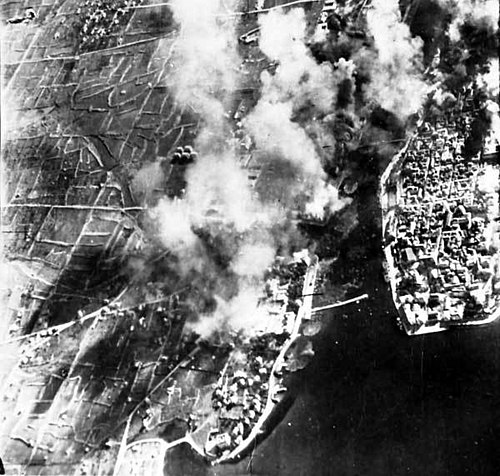
Bombing of Zadar in World War II by the Allies (1944): from these events began the exodus of the Dalmatian Italians from the city.

The foiba di Basovizza, near Trieste