James–Younger Gang
Videos
The James–Younger Gang was a notable 19th-century gang of American outlaws that revolved around Jesse James and his brother Frank James. The gang was based in the state of Missouri, the home of most o

Artist's concept of the 1869 shooting of Capt. John Sheets of Gallatin, allegedly by Frank and Jesse James

Jesse James Farm in Kearney, Missouri. The original farmhouse is on the left and an addition on the right was expanded after Jesse James died. Across a creek and up a hill on the right was the home of Daniel Askew who was killed at home on April 12, 1875. Askew was suspected of cooperating with the Pinkertons in the January 1875 bombing of the house (in a room on the left). James's original grave was on the property but he was later moved to a cemetery in Kearney. The original footstone is still outside although the family has replaced the headstone.
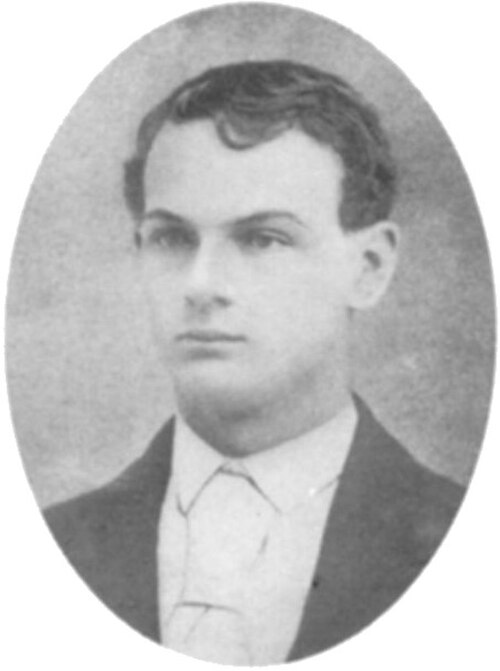
John Younger

The First National Bank building in Northfield, site of the robbery
Jesse James
Videos
Jesse Woodson James was an American outlaw, bank and train robber, guerrilla and leader of the James–Younger Gang. Raised a Southern sympathizer in the "Little Dixie" area of Missouri, James and his b
James–Younger Gang
…The James–Younger Gang was a notable 19th-century gang of American outlaws that revolved around Jesse James and his brother Frank James. The gang was based in the state of Missouri, the home of most of the members. Membership fluctuated from robbery to robbery…

James c. 1875 in Nebraska City

Ambrotype of James, c. 1862

Copy of an Ambrotype, taken of Jesse James in Platte City on July 10, 1864