Japamala
Videos
A japamala, jaap maala, or simply mala is a loop of prayer beads commonly used in Indian religions such as Hinduism, Buddhism, Jainism and Sikhism. It is used for counting recitations of mantras, pray

Different types of japamala (prayer beads) selling in Varanasi, India

The Hindu god Brahma is shown depicted with a japamala in his hand.

The official imperial portrait of Qing dynasty Empress Xiaozhuangwen with a mala
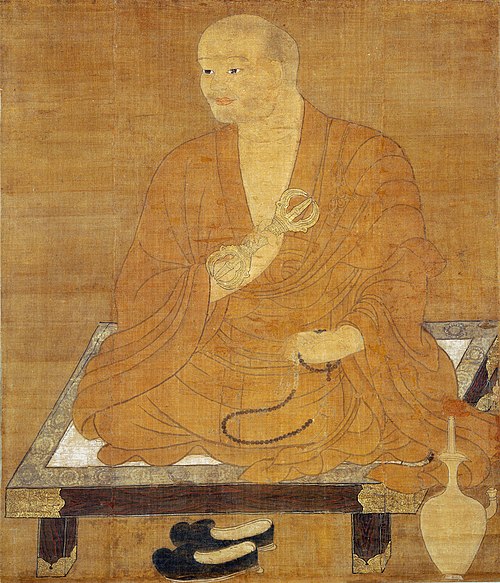
Kūkai (774–835), founder of Japanese Shingon, who brought some malas back to Japan from China.
Worry beads
Videos
Worry beads or komboloi/kompoloi is a string of beads manipulated with one or two hands and used to pass time in Greek and Cypriot culture. Unlike the similar prayer beads used in many religious tradi
Japamala
…Rosary Worry beads Media related to Mala (prayer beads) at Wikimedia Commons…

Worry beads made from different materials

Komboloi on a tavli board