Jin dynasty (1115–1234)
Videos
The Jin dynasty, officially the Great Jin, was a Jurchen-led imperial dynasty of China and empire ruled by the Wanyan clan that existed between 1115 and 1234. It is also often called the Jurchen dynas
Jin "iron pagoda" cavalry


Stone tortoise in Ussurisk, believed to be the gravesite of a 12th century Jurchen leader

Statue of Vaisravana, Jin dynasty

Liao or Jin dynasty swords
Song dynasty
Videos
The Song dynasty was an imperial dynasty of China that ruled from 960 to 1279. The dynasty was founded by Emperor Taizu of Song, who usurped the throne of the Later Zhou dynasty and went on to conquer
Jin dynasty (1115–1234)
…become known in Chinese historiography as the Western Liao. After conquering the Liao territory, the Jin launched a century-long campaign against the Song dynasty (960–1279) based in southern China, whose rulers were ethnically Han Chinese. Over the course of the Jin's rule, their emperors adapted to Han customs…

Court portrait of Emperor Taizu (r. 960–976)
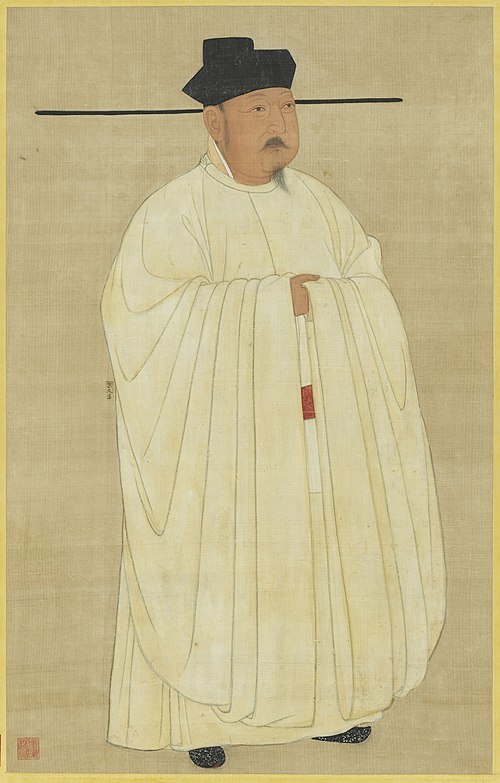
Portrait of Emperor Taizong (r. 976–997)

A Song-era wooden Bodhisattva

Auspicious Cranes, a painting of the Song royal palace by Emperor Huizong