José Teófilo de Jesus was a Brazilian painter and gilder. He is the most noted representative of the Escola Baiana or Bahian School of painting. His work was eclectic, characterized by the passage from the Baroque to the Rococo, with reference to Neoclassical traits. De Jesus was of pardo, or mixed ethnic ancestry and lived into his nineties; little else is known of his life. His production was apparently vast, but many of his works are only identified by oral tradition. Although he is known as one of the great names of the Brazilian Baroque, and one of its final artists, details of his life and a full account of his works remain unclear.
Nossa Senhora do Pilar, ceiling painting of the Parish Church of Our Lady of Pilar, Salvador, Bahia
África, Bahia Museum of Art, Salvador, Bahia
José Joaquim da Rocha was a Brazilian painter, engraver, gilder and restorer. His entire production was in the field of religious art, with the Catholic Church as his exclusive patron. He left numerous works of a scholarly character, moving away from the popular tradition that was common during the colonial period. Although his work has many moments of high level, it is uneven, partly because, since he became recognized, he always had many disciples and apprentices to assist him, to whom he delivered large portions of the work, and partly because of the use, as inspiration, of a varied iconography in engraving of irregular quality. Both practices were, however, common at the time.
The ceiling of the Basilica of the Immaculate Conception, in Salvador, his most famous work
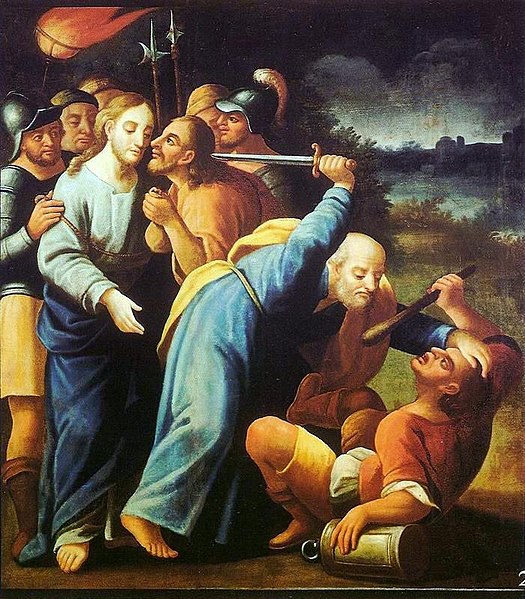
The kiss of Judas and Peter cutting off Malchus' ear. Flag of the Procession of Bonfires. Holy House of Mercy of Bahia
Jewish priest offering bread and wine, Museum of Sacred Art of Bahia
Flagellation of Christ. Flag of the Procession of Bonfires. Museum of Sacred Art of Bahia