Karl Bodmer
Videos
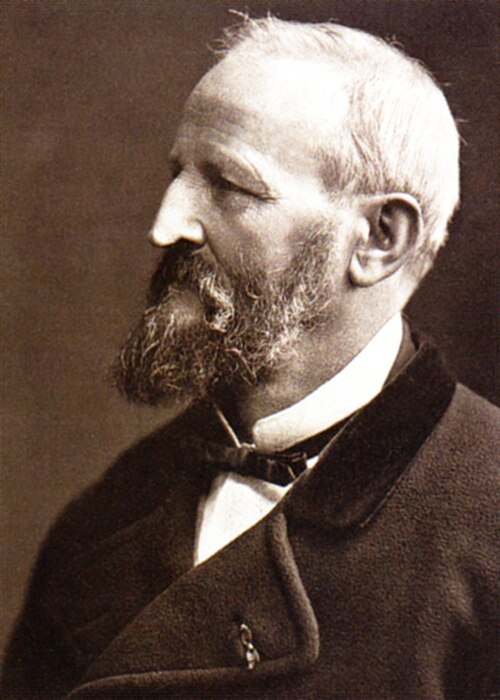
Johann Carl Bodmer was a Swiss-French printmaker, etcher, lithographer, zinc engraver, draughtsman, painter, illustrator, and hunter. Known as Karl Bodmer in literature and paintings, his name was recorded as Johann Karl Bodmer and Jean-Charles Bodmer, respectively. After 1843, likely as a result of the birth of his son Charles-Henry Barbizon, he began to sign his works K Bodmer.

Fort Pierre on the Missouri an aquatint from Maximilian, Prince of Wied’s Travels in the Interior of North America (1843-1844)

Scalp Dance of the Minitarres

View of Bethlehem, an 1832 aquatint of Bethlehem, Pennsylvania by Bodmer
Mato-tope
Videos
Mato-tope was the second chief of the Mandan tribe to be known as "Four Bears," a name he earned after charging the Assiniboine tribe during battle with the strength of four bears. Four Bears lived in the first half of the 19th century on the upper Missouri River in what is now North Dakota. Four Bears was a favorite subject of artists, painted by George Catlin and Karl Bodmer.


Mato-tope holding a lance and wearing painted and quilled shirt: aquatint by Karl Bodmer from the book "Maximilian, Prince of Wied’s Travels in the Interior of North America, during the years 1832–1834". The shirt is made of "bighorn leather".

Mato-Tope, Adorned with the insignia of his warlike deeds.: aquatint by Karl Bodmer from the book "Maximilian, Prince of Wied’s Travels in the Interior of North America, during the years 1832–1834". The six sticks in his hair represent killing six men with a gun and the wooden knife represents he killed a Cheyenne chief with a knife. The split turkey feather is said to stand for an arrow wound. The hand on Four Bears' torso may indicate that he once seized an enemy for his comrades to kill.

Facsimile of the Robe of Mah-to-toh-pa - Mandan by George Catlin showing Mato-Tope victories