King of the Romans
Videos
King of the Romans was a royal title used by the king of East Francia following his election by the princes from the reign of Henry II onward.
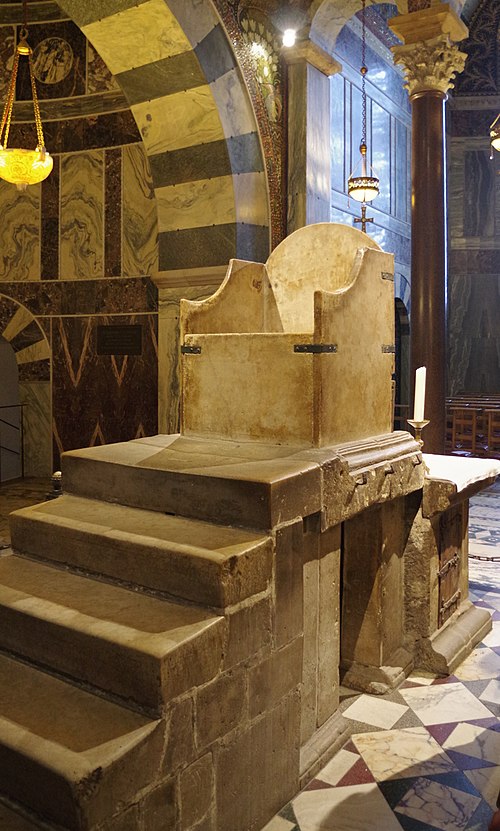
The royal Throne of Charlemagne in Aachen Cathedral

Detail of the imperial coronation mantle, drawing from 1857
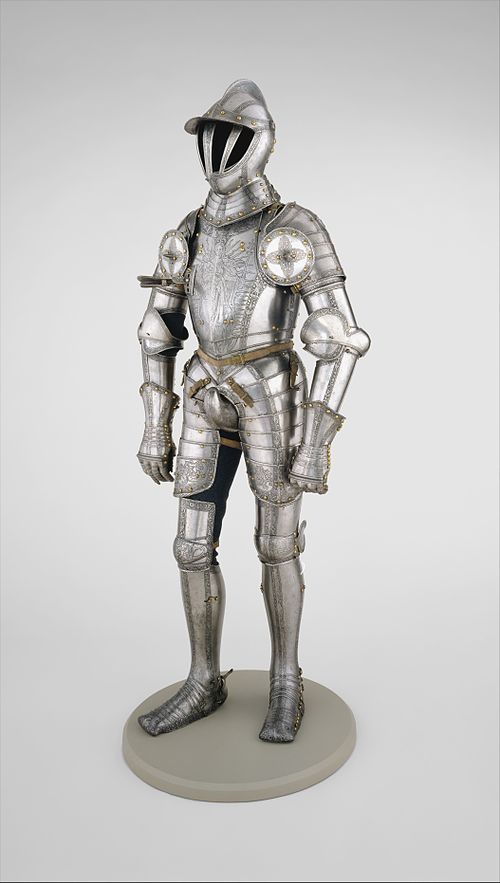
Armor of Ferdinand I, Holy Roman Emperor, created when he was still King of the Romans in 1549.
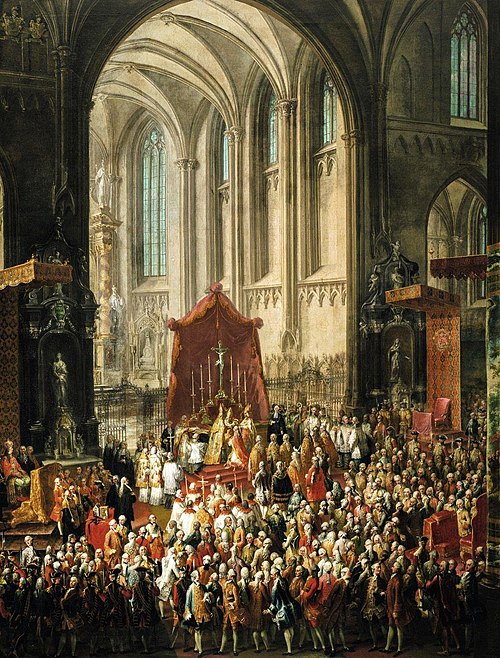
Coronation of Archduke Joseph as King of the Romans in the Imperial Cathedral of Saint Bartholomew in Frankfurt, 3 April 1764
Holy Roman Emperor
Videos
The Holy Roman Emperor, originally and officially the Emperor of the Romans during the Middle Ages, and also known as the Roman-German Emperor since the early modern period, was the ruler and head of
King of the Romans
…by the princes from the reign of Henry II (1002–1024) onward. The title originally referred to any German king between his election and coronation as Holy Roman Emperor by the Pope. The title was also used to designate the successor to the throne elected during the lifetime of a sitting Emperor. From the 16th century…
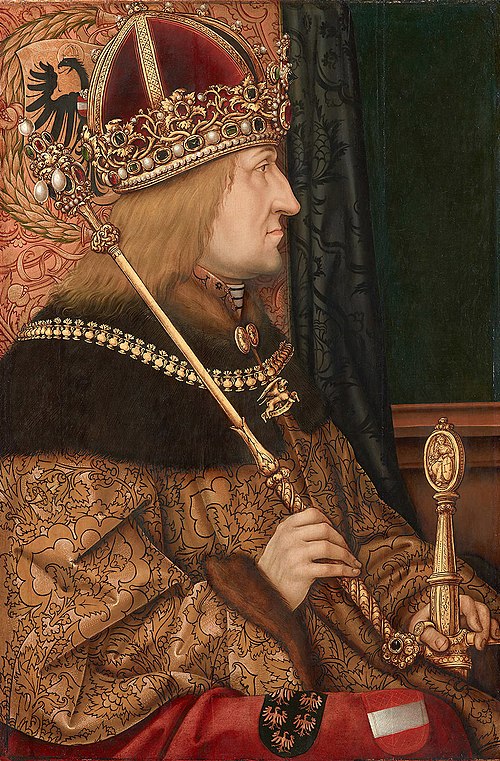
Longest reigning Frederick III 19 March 1452 – 19 August 1493
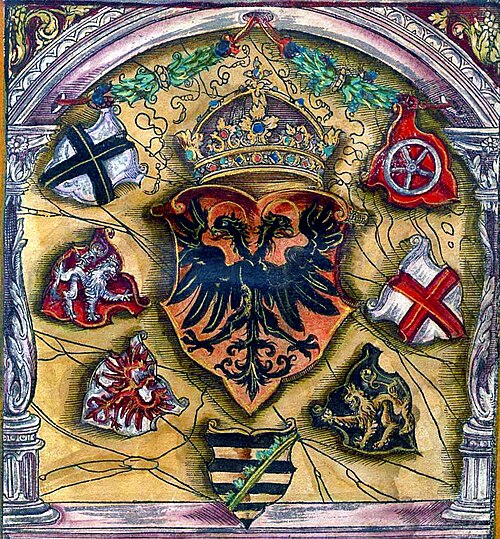
Coats of arms of prince electors surround the imperial coat of arms; from a 1545 armorial. Electors voted in an Imperial Diet for a new Holy Roman Emperor.

Depiction of Charlemagne in a 12th-century stained glass window, Strasbourg Cathedral, now at Musée de l'Œuvre Notre-Dame.
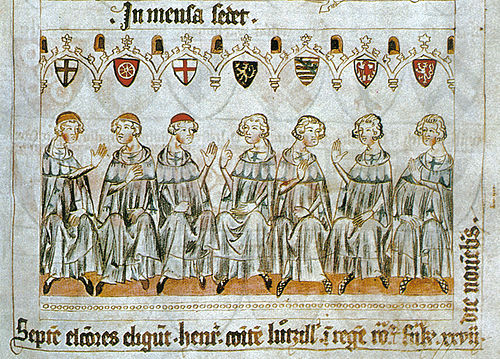
Illustration of the election of Henry VII (27 November 1308) showing (left to right) the Archbishop of Cologne, Archbishop of Mainz, Archbishop of Trier, Count Palatine of the Rhine, Duke of Saxony, Margrave of Brandenburg and King of Bohemia (Codex Balduini Trevirorum, c. 1340).