Liberalism
Videos
Liberalism is a political and moral philosophy based on the rights of the individual, liberty, consent of the governed, political equality, right to private property, and equality before the law. Diff
Madame de Staël


Benjamin Constant, a Franco-Swiss political activist and theorist

Monument to the liberals of the 19th century in Agra del Orzán neighborhood, La Coruña, Galicia (Spain)

John Maynard Keynes, one of the most influential economists of modern times and whose ideas, which are still widely felt, formalized modern liberal economic policy
The Democratic Party is a liberal political party in the United States, sitting on the center to center-left of the political spectrum. Founded in 1828, it is the world's oldest active political party
Liberalism
…liberalism). In North America, liberalism almost exclusively refers to social liberalism. The dominant Canadian party is the Liberal Party, and the Democratic Party is usually considered liberal in the United States. In the United States, conservative liberals are usually called conservatives in a broad sense. Over…
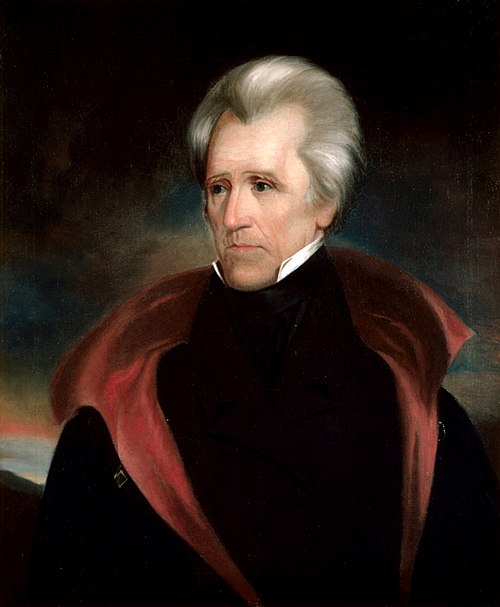
Andrew Jackson was the seventh president (1829–1837) and the first Democratic president.

Martin Van Buren was the eighth president (1837–1841).
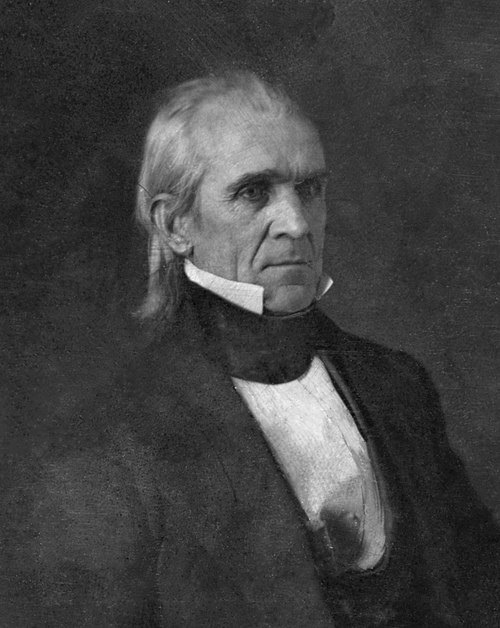
James K. Polk was the 11th president (1845–1849). He significantly extended the territory of the United States.

Stephen A. Douglas was a United States senator for Illinois.