Political philosophy
Videos
Political philosophy, also called political theory, is the study of the theoretical and conceptual foundations of politics. It examines the nature, scope, and legitimacy of political institutions, suc

The Greek philosophers, Plato and Aristotle discussed the advantages and disadvantages of different forms of government.

John Rawls formulated an influential theory of justice as fairness.

Pierre-Joseph Proudhon was a founding figure of anarchism and saw state authority as an obstacle to equality and liberty.

Edmund Burke was an early defender of conservatism, stressing the importance of the accumulated wisdom of past generations and the danger of radical change.
Philosophy
Videos
Philosophy is a systematic study of general and fundamental questions concerning topics like existence, knowledge, mind, reason, language, and value. It is a rational and critical inquiry that reflect
Political philosophy
…democracy to authoritarianism, as well as the values guiding political action, such as justice, equality, and liberty. As a normative field, political philosophy focuses on desirable norms and values, in contrast to political science, which primarily emphasizes empirical description. Political ideologies are…
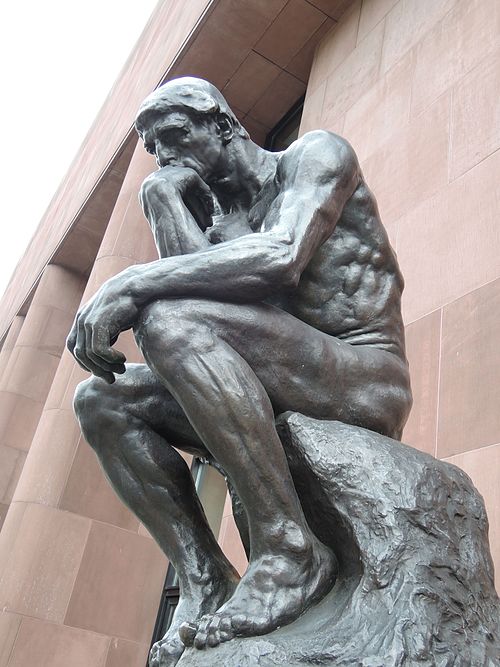
The statue The Thinker by Auguste Rodin is a symbol of philosophical thought.

Aristotle was a major figure in ancient philosophy and developed a comprehensive system of thought including metaphysics, logic, ethics, politics, and natural science.
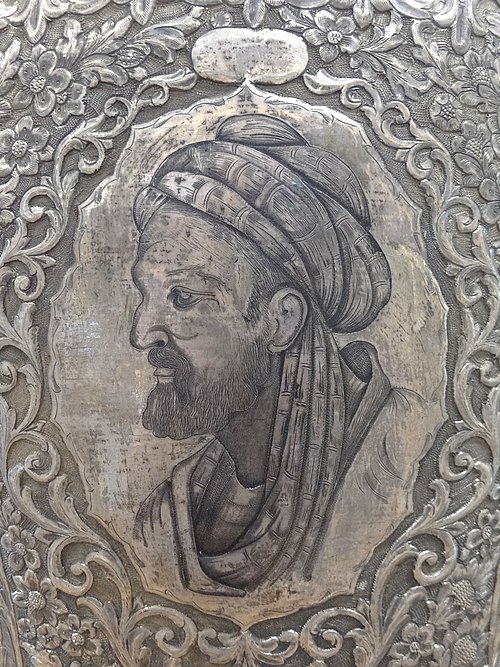
Portrait of Avicenna, one of the most influential philosophers of the Islamic Golden Age

The teachings of Confucius on ethics and society shaped subsequent Chinese philosophy.