Long Parliament
Videos
The Long Parliament was an English Parliament which nominally lasted from 1640 until 1660, making it the longest-lasting Parliament in English and British history. It followed the fiasco of the Short

Charles signed a bill agreeing that the present Parliament should not be dissolved without its own consent.

Viscount Falkland; killed at Newbury in 1643, typical of those moderates who supported reforms, but opposed the Grand Remonstrance and became Royalists

King Charles' attempt to arrest the Five Members of the Commons

Carisbrooke Castle, on the Isle of Wight, where Charles was held in December 1648
Pride's Purge
Videos
Pride's Purge is the name commonly given to an event that took place on 6 December 1648, when soldiers prevented members of Parliament considered hostile to the New Model Army from entering the House
Long Parliament
…until 16 March 1660, after the English Civil War and near the close of the Interregnum. The parliament first sat from 1640 until 1653. Following Pride's Purge in 1648, the remaining members sat as the Rump Parliament until Oliver Cromwell suspended it in April 1653, replacing it with a succession of nominated…

New Model Army troops under Colonel Thomas Pride refusing admission to secluded members of the Long Parliament

Charles I; by 1648, a significant element felt only his death could end the conflict
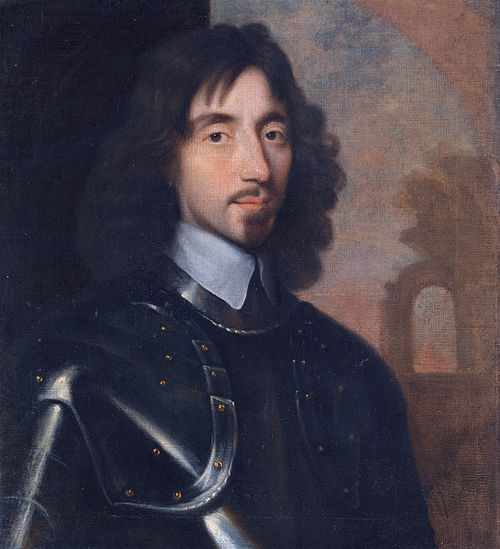
Sir Thomas Fairfax, commander of the New Model Army

The execution of Charles I, which the Purge made possible