Lorenzo de' Medici
Videos
Lorenzo di Piero de' Medici, known as Lorenzo the Magnificent, was an Italian statesman, de facto ruler of the Florentine Republic, and the most powerful patron of Renaissance culture in Italy. Lorenz
A posthumous portrait dating from the late 1560s (formerly attributed to Bronzino)

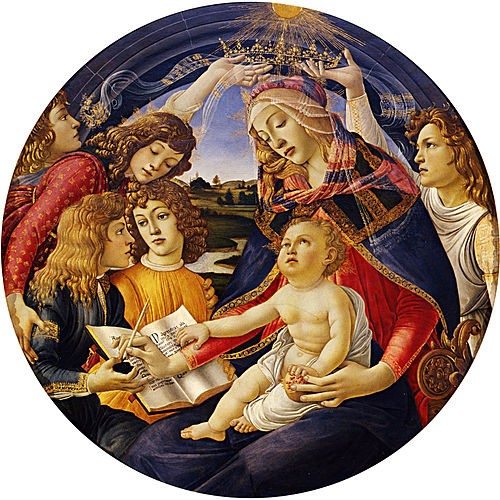
Madonna of the Magnificat shows Lucrezia Tornabuoni as the Madonna surrounded by her children, with Lorenzo holding a pot of ink.

The Adoration of the Magi includes several generations of the Medici family and their retainers. Sixteen-year-old Lorenzo is to the left, with his horse, prior to his departure on a diplomatic mission to Milan.

Bust by Verrocchio, 15th-century terracotta bust, National Gallery of Art, Washington
House of Medici
Videos
The House of Medici was an Italian banking family and political dynasty that first consolidated power in the Republic of Florence under Cosimo de' Medici and his grandson Lorenzo "the Magnificent" dur
Lorenzo de' Medici
…states collapsed with his death. He is buried in the Medici Chapel in Florence. Lorenzo's grandfather, Cosimo de' Medici, was the first member of the Medici family to lead the Republic of Florence and run the Medici Bank simultaneously. As one of the wealthiest men in Europe, the elder Cosimo spent a very large…

Giovanni di Bicci de' Medici, founder of the Medici bank

The Confirmation of the Rule, by Domenico Ghirlandaio
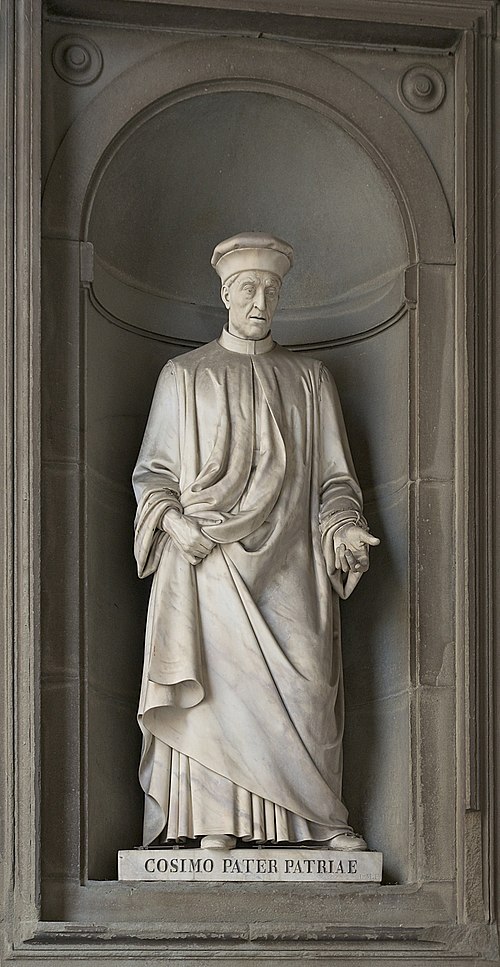
Cosimo, Pater patriae, Uffizi Gallery, Florence

The Medici Wedding Tapestry (1589)