Lusitanians
Videos
The Lusitanians were an Indo-European–speaking people living in the far west of the Iberian Peninsula, in present-day central Portugal and the regions of Extremadura and Castilla y León of Spain. It i
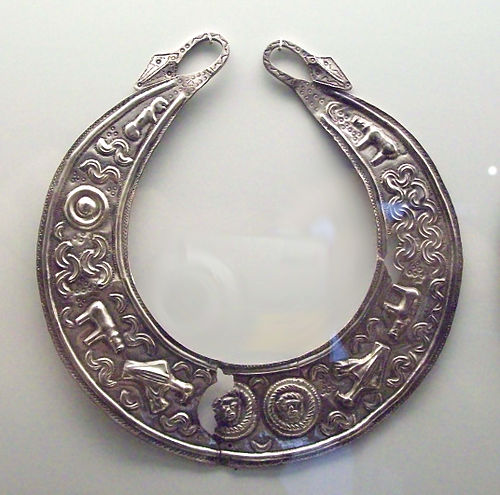
Lusitanian lunula from Miranda do Corvo (Portugal)
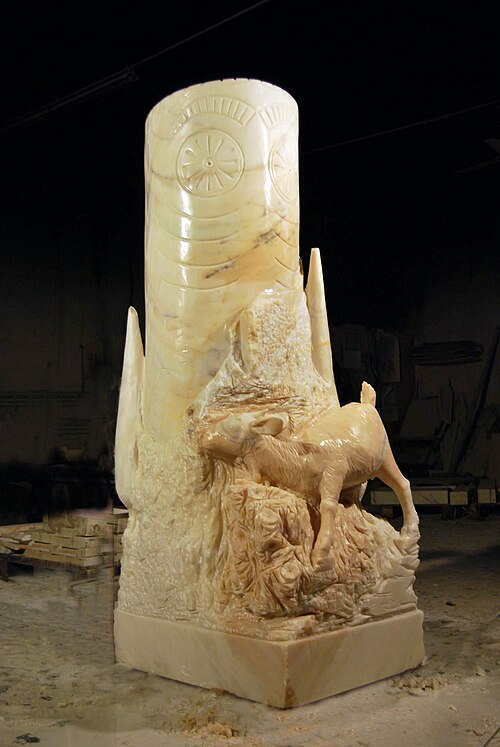
Ataegina by Pedro Roque Hidalgo (20th century), Museu do Mármore, Vila Viçosa, (Portugal).
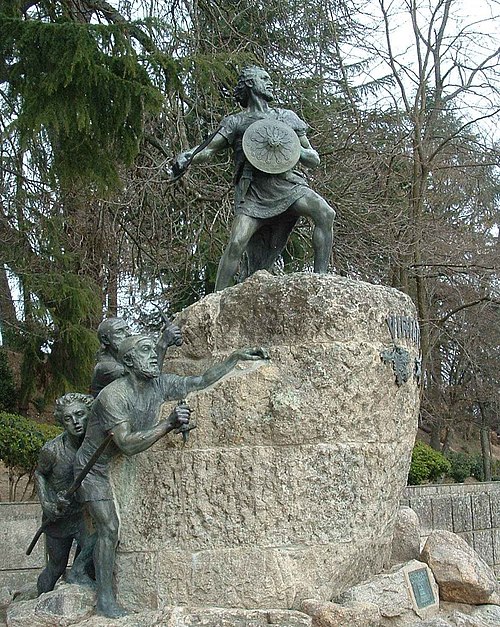
Statue of Viriatus in Viseu, the Lusitanian leader during the Lusitanian War (155 to 139 BCE).
Viriathus
Videos
Viriathus was the most important leader of the Lusitanian people that resisted Roman expansion into the regions of today known as Portugal, named Lusitania.
Lusitanians
…conquest by the Romans, the land was subsequently incorporated as a Roman province named after them (Lusitania). Frontinus mentions Lusitanian leader Viriathus as the leader of the Celtiberians, in their war against the Romans. The Lusitanians were also called Belitanians, according to the diviner Artemidorus…
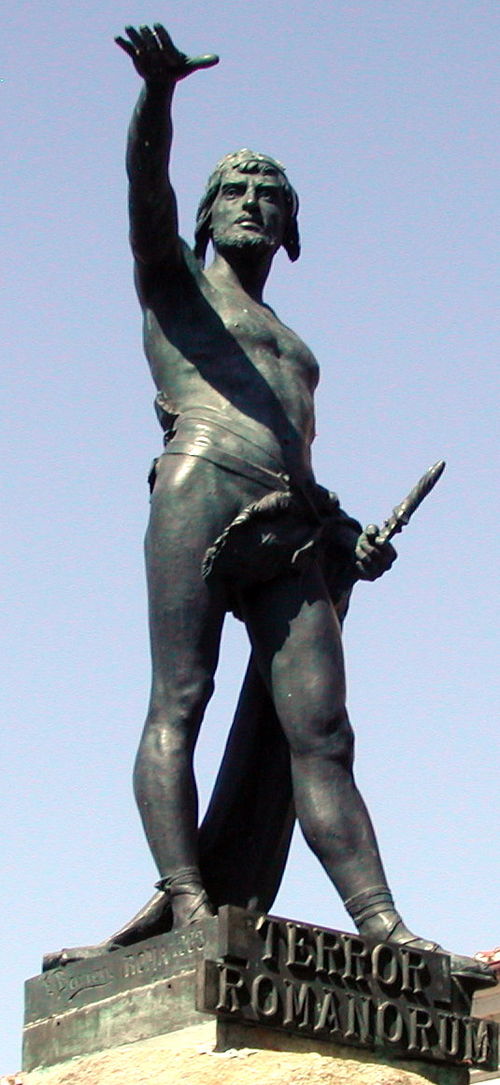
Statue in Zamora

José de Madrazo's painting of the death of Viriathus.