Lynching is the occurrence of extrajudicial killings that began in the United States' pre–Civil War South in the 1830s and had mostly ended by time of the civil rights movement in the 1950s and 1960s,
The body of George Meadows, lynched near the Pratt Mines in Jefferson County, Alabama, on January 15, 1889


Lynching of John Willie Clark in Cartersville, Georgia, September 1930, after killing Police Chief J. B. Jenkins

Lynching of Jesse Washington in Waco, Texas, on May 15, 1916. He was repeatedly lowered and raised onto a fire for about two hours. A professional photographer took pictures of the lynching as it unfolded.

This 1867 Thomas Nast cartoon called Southern Justice advocates for military intervention to prevent white terrorism in the South.
Emmett Till
Videos
Emmett Louis Till was an African-American boy who, at 14 years old, was abducted and lynched in Mississippi in 1955. The brutality of his murder and the acquittal of his killers drew attention to the
Lynching in the United States
…accelerating with the emergence of the Second Ku Klux Klan. Lynchings declined considerably by the time of the Great Depression. The 1955 lynching of Emmett Till, a 14-year-old African-American boy, galvanized the civil rights movement and marked the last classical lynching (as recorded by the Tuskegee Institute…

Till in a photograph taken by his mother on Christmas Day, 1954
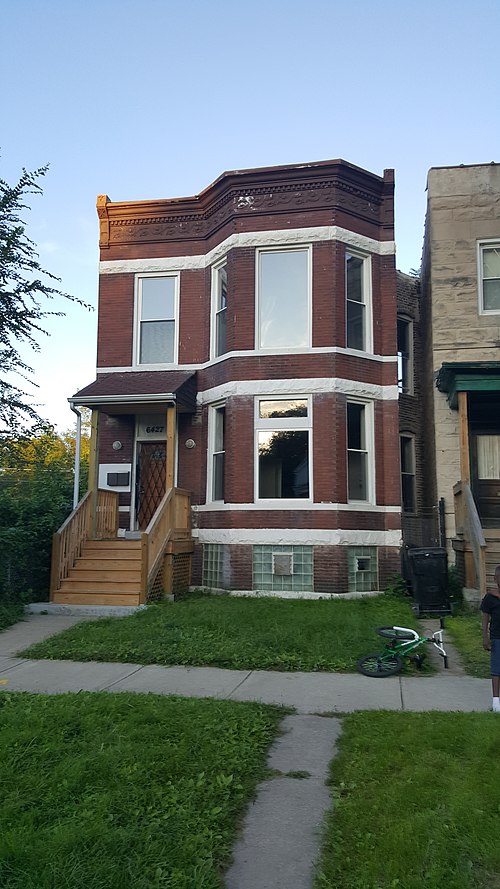
The Chicago two-flat at 6427 S. St. Lawrence Avenue where Emmett Till lived with his mother in mid-1955

The remains of Bryant's Grocery and Meat Market in 2009

Bryant's Grocery Mississippi Freedom Trail Marker, 2018