Mariner 9
Videos
Mariner 9 was a robotic spacecraft that contributed greatly to the exploration of Mars and was part of the NASA Mariner program. Mariner 9 was launched toward Mars on May 30, 1971, from LC-36B at Cape

Mariner 09

A schematic of Mariner 8/9, showing the major components and features
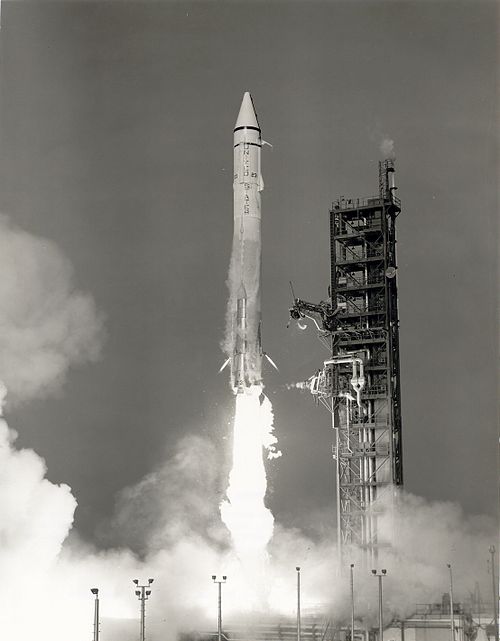
Mariner 9 launch

2001 mars odyssey wizja
Olympus Mons
Videos
Olympus Mons is a large shield volcano on Mars. As measured by the Mars Orbiter Laser Altimeter, it is 21.287 kilometres high, about 2.5 times the elevation of Mount Everest above sea level. It is Mar
Mariner 9
…one thousand images covering only a small portion of the planetary surface. The images revealed river beds, craters, massive extinct volcanoes (such as Olympus Mons, the largest known volcano in the Solar System; Mariner 9 led directly to its reclassification from Nix Olympica), canyons (including the Valles…

Mars Global Surveyor image showing lava flows of different ages at the base of Olympus Mons. The flat plain is the younger flow. The older flow has lava channels with levees along the edges. Levees are quite common to lava flows on Mars.

Lava flows on Olympus Mons with older and younger flows labeled, as viewed by HiRISE during the HiWish program

Calderas on the summit of Olympus Mons. The youngest calderas form circular collapse craters. Older calderas appear as semicircular segments because they are transected by the younger calderas.

Oblique view of Olympus Mons, from a Viking image mosaic overlain on MOLA altimetry data, showing the volcano's asymmetry. The view is from the NNE; vertical exaggeration is 10×. The wider, gently sloping northern flank is to the right. The more narrow and steeply sloping southern flank (left) has low, rounded terraces, features interpreted as thrust faults. The volcano's basal escarpment is prominent.