Mind
Videos
The mind is that which thinks, feels, perceives, imagines, remembers, and wills. It covers the totality of mental phenomena, including both conscious processes, through which an individual is aware of
Obsessive–compulsive disorder is a mental disorder in which a person follows compulsive rituals, like excessive hand washing, to alleviate anxiety caused by intrusive thoughts.

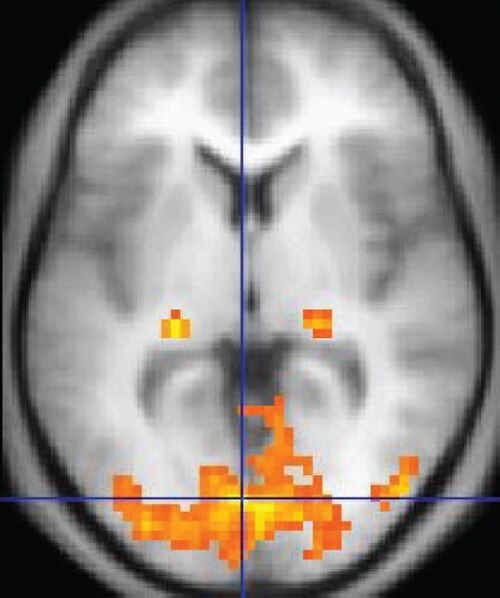
Functional magnetic resonance imaging is a neuroimaging technique to detect brain areas with increased neural activity (shown in orange).

The brain in a vat is a thought experiment to examine the nature of the mind and its relation to matter. It explores how a brain would experience reality if a supercomputer fed it the same electrical stimulation a normal brain receives.
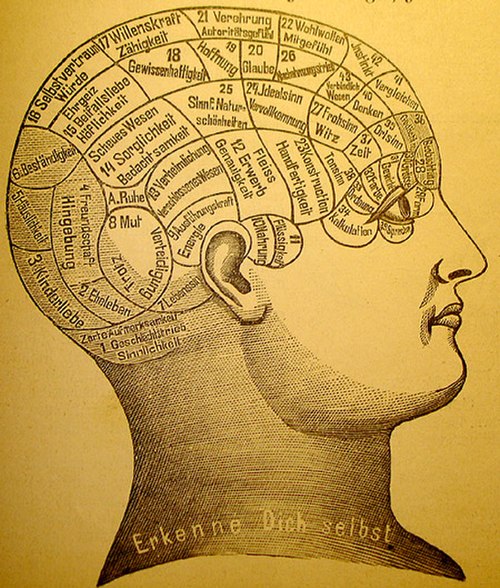
Phrenology was a pseudoscientific attempt to correlate mental functions to brain areas.
Thought
Videos
Thought, or thinking, is a cognitive process in which the mind considers, creates, or manipulates ideas, representations, or information. Core forms include judging, reasoning, concept formation, prob
Mind
…The mind is that which thinks, feels, perceives, imagines, remembers, and wills. It covers the totality of mental phenomena, including both conscious processes, through which an…

The Thinker by Auguste Rodin (1840–1917) in the garden of the Musée Rodin, Paris

Man thinking on a train journey