Molecular genetics
Videos
Molecular genetics is a branch of biology that addresses how differences in the structures or expression of DNA molecules manifests as variation among organisms. Molecular genetics often applies an "i

This image shows an example of the central dogma using a DNA strand being transcribed then translated and showing important enzymes used in the processes.

An example of forward genetics in C. elegans (a nematode) using mutagenesis
Polymerase chain reaction
Videos
The polymerase chain reaction is a laboratory method widely used to amplify copies of specific DNA sequences rapidly, to enable detailed study. PCR was invented in 1983 by American biochemist Kary Mul

Placing a strip of eight PCR tubes into a thermal cycler

An older, three-temperature thermal cycler for PCR

Ethidium bromide-stained PCR products after gel electrophoresis. Two sets of primers were used to amplify a target sequence from three different tissue samples. No amplification is present in sample #1; DNA bands in sample #2 and #3 indicate successful amplification of the target sequence. The gel also shows a positive control, and a DNA ladder containing DNA fragments of defined length for sizing the bands in the experimental PCRs.
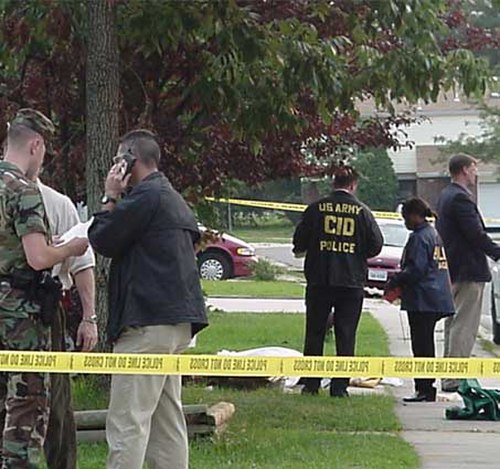
DNA samples are often taken at crime scenes and analyzed by PCR.