Morton's fork
Videos
A Morton's fork is a type of false dilemma in which contradictory observations lead to the same conclusion. Its name refers to the rationalising of a benevolence by the 15th century English prelate Jo
John Morton, the namesake of Morton's fork

Benevolence (tax)
Videos
A benevolence, also called a loving contribution, voluntary contribution or free gift, was a type of tax imposed by several English monarchs from the 15th to the 17th century. Although taken under the
Morton's fork
…A Morton's fork is a type of false dilemma in which contradictory observations lead to the same conclusion. Its name refers to the rationalising of a benevolence by the 15th century English prelate John Morton. The term in its broad application dates at least to the mid-19th century, although Francis Bacon noted…
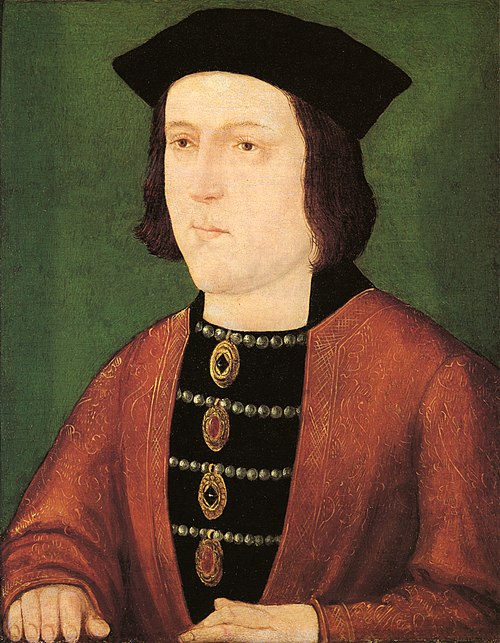
Edward IV (r. 1461–83) was the first English king to impose benevolences.

Elizabeth I (r. 1558–1603) was more averse to benevolences than her forerunners, demanding only a handful in the 1580s and 1590s.

James I (r. 1603–25) revived the practice of benevolences in 1614.