Muktinath
Videos
Muktinath is an ancient Vishnu temple located in Mustang, Nepal. The temple of Muktinath, known as 'the lord of liberation', is sacred to both Hindus and Buddhists whom they worship as an abode of Hin

The temple of Muktinath ('lord of liberation or moksha') during winter months

108 mukti dharas, or the water spouts of liberation

The temple of Muktinath

Gate of Muktinath overlooking himalayas
Shakta pithas
Videos
The Shakta pithas, also called Shakti pithas or Sati pithas, are significant shrines and pilgrimage destinations in Shaktism, the mother goddess denomination in Hinduism. The shrines are dedicated to
Muktinath
…shrines in that tradition, known as the Svayam Vyakta Ksetras or Sthalas. In Shaktism, as well for non-denominational Hindus, it is also one of the 51 Shakta pithas, associated with the head of goddess Sati. Muktinath temple is seen as a symbol of religious harmony in Nepal where both the Hindus and Buddhists have…

Shri Mata Vaishno Devi Temple is one of the 64 and 108 Maha (Major) Shakta pithas and is also the most visited among all. It attracts more than 15 million people annually.

Shri Hinglaj Mata temple Shakta pitha is the largest Hindu pilgrimage centre in Pakistan. The annual Hinglaj Yatra is attended by more than 250,000 people.
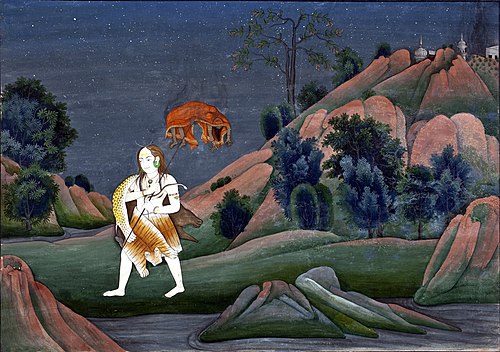
Shiva carrying the corpse of Dakshayani

Sri Lanka Trincomalee Tempel