Neo-Babylonian Empire
Videos
The Neo-Babylonian Empire or Second Babylonian Empire, historically known as the Chaldean Empire, was the last polity ruled by monarchs native to ancient Mesopotamia. Beginning with the coronation of
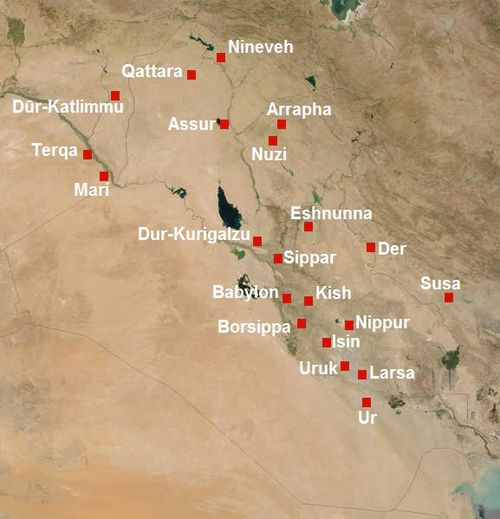
Locations of several major Mesopotamian cities
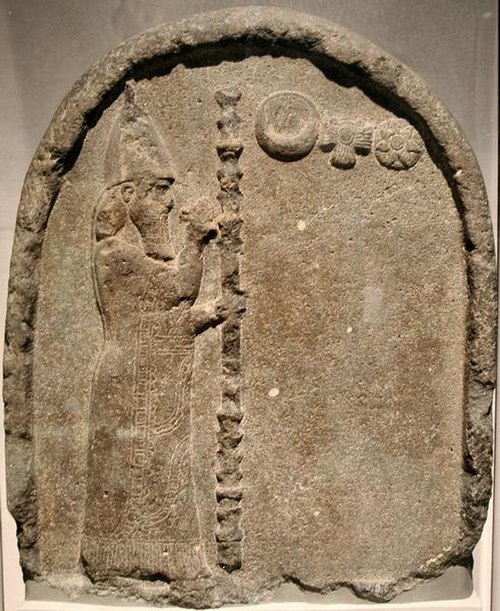
Stele of Nabonidus exhibited in the British Museum. The king is shown praying to the Moon, the Sun and Venus and is depicted as being the closest to the Moon.

Illustration of the inhabitants of Babylon deriding the Achaemenid king Darius I during the revolt of Nebuchadnezzar III in 522 BC. From the History of Darius the Great (1900) by Jacob Abbott.

Partial view of the ruins of Babylon in modern-day Iraq
Achaemenid Empire
Videos
The Achaemenid Empire was an ancient Iranian empire founded by Cyrus the Great of the Achaemenid dynasty in 550 BC. At peak, its territorial extent was roughly 5.5 million square kilometres, making it
Neo-Babylonian Empire
…Babylon in 626 BC and being firmly established through the fall of the Assyrian Empire in 612–609 BC, the Neo-Babylonian Empire was conquered by the Achaemenid Persian Empire in 539 BC, less than a century after the founding of the Chaldean dynasty. The defeat of the Assyrian Empire and subsequent return of power to Babylon…

Family tree of the Achaemenid rulers.

Cyrus the Great's tomb, located at Pasargadae

The Persian queen Atossa, daughter of Cyrus the Great, sister-wife of Cambyses II, Darius the Great's wife, and mother of Xerxes the Great

Greek hoplite and Persian warrior depicted fighting, on an ancient kylix, 5th century BC