New Zealand Company
Videos
The New Zealand Company, chartered in the United Kingdom, was a company that existed in the first half of the 19th century on a business model that was focused on the systematic colonisation of New Ze

New Zealand Company coat of arms
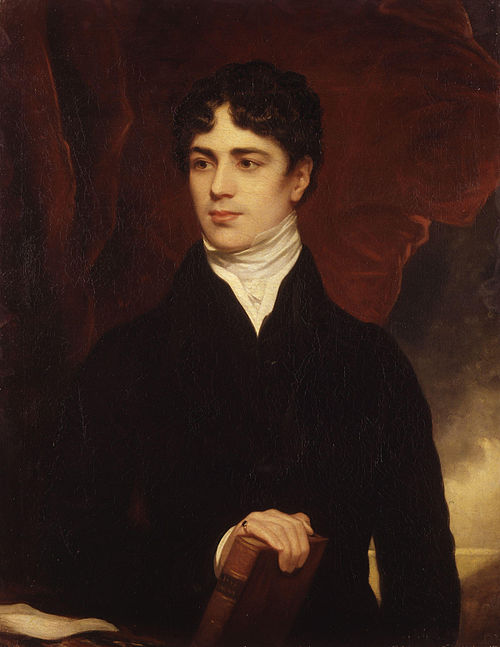
John George Lambton, the future Lord Durham

Edward Gibbon Wakefield

Colonial Secretary Lord Glenelg
Chatham Islands
Videos
The Chatham Islands, officially the Chatham Islands Territory, are an archipelago in the Pacific Ocean about 800 km east of New Zealand's South Island, administered as part of New Zealand, and consist
New Zealand Company
…the New Zealand Company had resolved to "take steps to procure German emigrants" and appointed an agent in Bremen. A bid in September 1841 to sell the Chatham Islands to the German Colonisation Company—yet to be formed—for £10,000 was quashed by the British Government, which declared that the islands were to be part…

The two largest islands are Chatham Island (top) and Pitt Island (bottom right)

Moriori tree carving, or dendroglyph, in the Chatham Islands

Monument to Torotoro above Kaingaroa Beach on Chatham Island
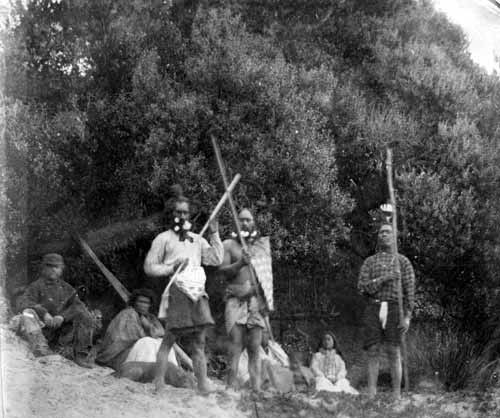
Moriori people in the late 19th century