Nordic model
Videos
The Nordic model comprises the economic and social policies, as well as typical cultural practices, common in the Nordic countries. Historically, this included a comprehensive welfare state and multi-

Flags of the Nordic countries, from left to right: Finland, Iceland, Norway, Sweden, and Denmark

Vote percentage over time of the main social democratic parties in Denmark, Finland, Sweden, and Norway: Labour Party (Norway) Swedish Social Democratic Party Social Democrats (Denmark) Social Democratic Party of Finland
Norway
Videos
Norway, officially the Kingdom of Norway, is a Nordic country comprising the western and northernmost parts of the Scandinavian Peninsula in Northern Europe, the remote Arctic island Jan Mayen and the
Nordic model
…model comprises the economic and social policies, as well as typical cultural practices, common in the Nordic countries (Denmark, Finland, Iceland, Norway, and Sweden). Historically, this included a comprehensive welfare state and multi-level collective bargaining based on social corporatism, and a…

Opening of Ohthere's Old English account, translated: "Ohthere told his lord Ælfrede king that he lived northmost of all Norwegians…"
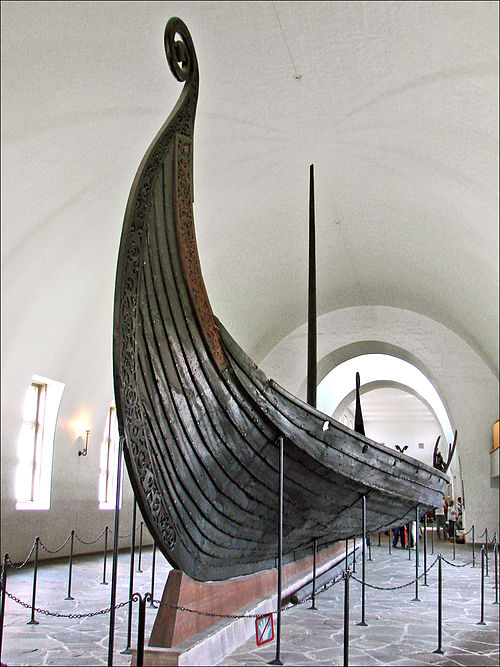
The Oseberg ship at the Viking Ship Museum in Oslo
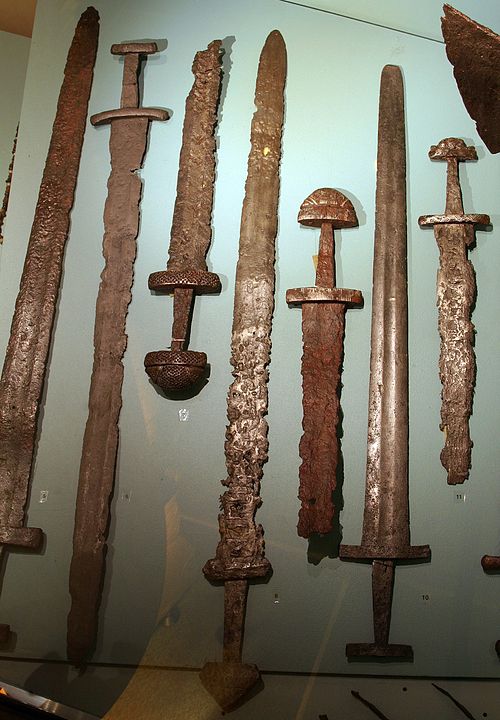
Viking swords found in Norway, preserved at the Bergen Museum

The dragon head of the Myklebust Ship on display at Sagastad in Nordfjordeid